


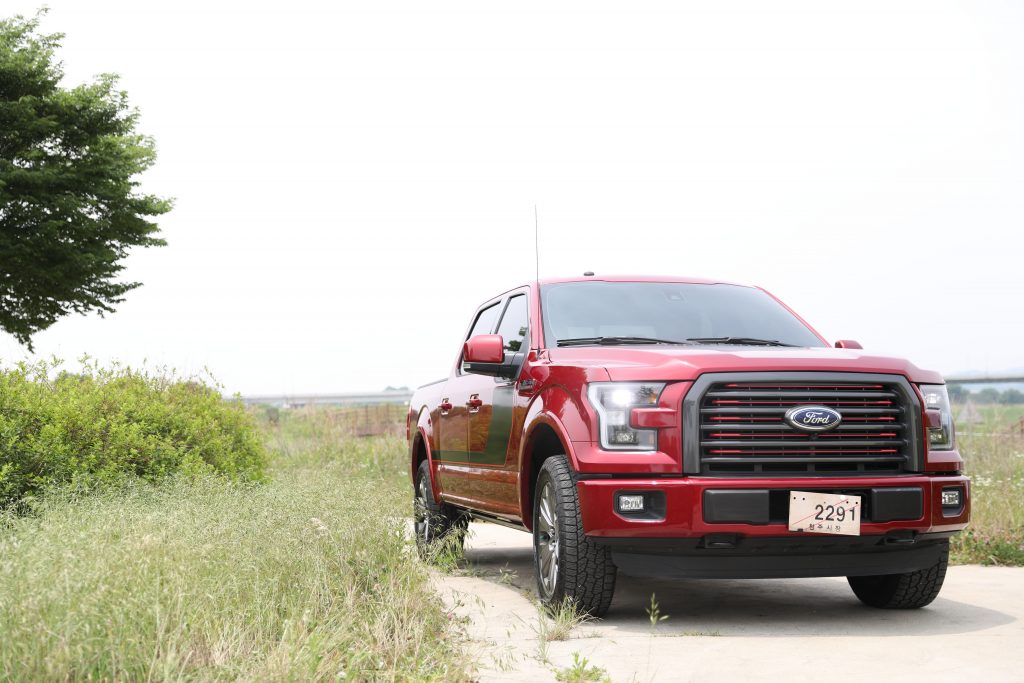
Canada runs on trucks and all-wheel-drive crossovers. They haul trailers, commute through slush, and double as family vehicles. They also hide some of the most expensive hardware on the road: transfer cases, auxiliary differentials, electronically locking axles, towing-duty transmissions, and frames that live in road salt.
Factory warranties end. Many owners keep the same F-series, Sierra, Ram, Tacoma, or AWD SUV well past that date because replacing a late-model truck is now a major household decision. When a transfer case, torque converter, or 4×4 actuator fails, the quote is not a set of brake pads. This guide covers why those repairs cost what they do, how to maintain a working truck or AWD vehicle in Canadian conditions, and how an extended auto warranty in Canada can cap the surprise—especially if the plan includes the 4×4/AWD option and you care about transferable warranty resale value.
Why Trucks and AWD Vehicles Are a Different Ownership Category
A compact front-drive sedan has one differential and a relatively simple driveline. A four-wheel-drive pickup can have a transmission, transfer case, front differential, rear differential, axle actuators, and a web of sensors that decide when to send torque forward. Many crossovers add a rear-drive coupling clutch that works like a part-time AWD system even if the badge says “automatic all-wheel drive.”
Those extra parts work hardest in the conditions Canadians actually use them: wet launches, snow, gravel, boat ramps, and towing. Heat in the transmission fluid rises with trailer weight. Water and salt attack seals. Low-range use, if you have it, multiplies torque through gearsets that sit unused for months and then get asked to pull a trailer out of a rutted site.
Work use changes the picture again. Cargo vans and pickups used to generate income are not the same risk as a grocery-getter. A-Protect treats company-registered vehicles and revenue use as a separate option, and cargo vans and pickups can fall into that category. If that describes your truck, say so when you request a quote rather than discovering it at claim time.
What Usually Fails—and What It Costs
Ranges below are typical Canadian shop territory after factory coverage ends. Towing, labour access, and OEM module prices move the number.
| Repair | Typical cost (CAD) | Why trucks and AWD vehicles see it |
|---|---|---|
| Automatic transmission repair or replacement | $5,000–$8,000+ | Towing heat, heavy GVWR, delayed fluid service |
| Transfer case repair or replacement | $2,000–$4,500 | Chain stretch, mode-motor failure, seal leaks after salt exposure |
| Front or rear differential work | $1,200–$3,500 | Towing, off-pavement use, neglected gear oil |
| 4×4 actuator / AWD coupling / encoder motor | $600–$2,200 | Infrequent use, corrosion, electronic control faults |
| Engine repair on a working truck | $4,000–$9,000+ | Load, heat, turbo-diesel or boosted gas options |
| Cooling system / water pump / radiator | $550–$1,500 | Idling in traffic with a trailer; winter thermostat issues |
| ADAS camera or tailgate/bumper sensor + calibration | $600–$3,500 | Modern trucks package radar in bumpers and cameras in tailgates |
Those lines are why rising repair costs hit truck owners in lumps rather than as a smooth maintenance curve. Insurance covers collision. It does not rebuild a transfer case that died on a January morning.
With vs. Without Coverage
| Scenario | Out of pocket | With a plan that includes powertrain and 4×4/AWD (example $1,000 deductible) |
|---|---|---|
| Transfer case failure at $3,200 | Pay $3,200 plus possible tow | Listed internals limited to deductible and contract terms |
| Transmission replacement at $6,800 after a towing season | Pay $6,800 | Covered components billed to the plan after authorization |
| AWD coupling and related electronics at $1,800 | Pay $1,800 | Covered if the 4×4/AWD option and electrical items are on the schedule |
| Private sale of the truck next year | Buyer prices in driveline risk | Remaining transferable term can support the ask |
A basic engine-and-transmission contract that silently excludes the transfer case is the wrong product for a 4×4. A-Protect lists auxiliary differential and transfer-case hardware under a 4×4/AWD option on applicable packages. Compare the grids on the warranty packages page before you assume “powertrain” means every gearbox in the tunnel.
Maintenance Checklist for Trucks and AWD Vehicles
Driveline parts fail early when fluid is ignored and they fail expensively when seals leak unnoticed. Canadian salt makes both more likely.
Every oil-change interval
- Inspect for fresh drips at the transfer-case and differential covers, not only under the engine.
- Cycle 4×4 modes in a safe lot if you rarely use them. Actuators seize when they sit.
- Check tire circumference. Mismatched spare or uneven wear on an AWD crossover can overheat the coupling.
- Look at the transmission cooler lines if you tow. A small leak becomes a cooked gearbox.
- Scan for 4WD, ABS, and stability-control codes. Many transfer-case motors set a stored fault before they strand you.
Seasonal (spring and late fall)
- Undercarriage wash after winter. Salt sits in transfer-case seams and brake backing plates.
- Load-test the battery. Winches, block heaters, and diesel glow systems punish weak batteries.
- Inspect U-joints, CV boots, and driveshaft centre bearings after a towing or cottage season.
- Confirm trailer-brake controller function and wiring before the first trip, not at the ramp.
- Recheck tire pressures at the same inflation spec on all four corners—or all six if you run duals.
By the book, not by “lifetime fluid”
- Transmission fluid and filter on a towing-adjusted interval. Heat ages fluid faster than the brochure commute cycle.
- Transfer-case fluid. A neglected chain bath is a classic $3,000 surprise.
- Front and rear differential gear oil, especially after deep water or a season of gravel.
- Coolant and thermostat. Trucks that idle with A/C and a trailer cook from the top tank down.
- Brake fluid moisture test. Heavy trucks plus winter roads are hard on ABS modulators.
Keep invoices with kilometre readings. Claims and used-truck buyers both treat a complete fluid history as evidence you did not only wash the paint.
Towing Without Cooking the Powertrain
The owner’s manual tongue-weight and gross combined figures are limits, not suggestions. Exceeding them multiplies heat in the converter and fluid. Practical habits:
- Use the tow-haul mode so the transmission holds gears instead of hunting.
- Add or service an auxiliary cooler if you regularly pull near the rating.
- Stop and idle if the temp gauge climbs on a long grade. Fluid above the design range ages in one trip.
- Do not flat-tow a vehicle the manual forbids. The wrong driveshaft speed destroys a transfer case quietly.
- After a long pull, allow a short cool-down before shutdown so heat soaks do not bake the converter.
A warranty is not a licence to overload. Abuse and racing exclusions exist for a reason. Honest towing within ratings plus fluid service is what keeps claims payable and trucks usable.
How to Protect Yourself From Rising Repair Costs
- List every gearbox you have. Transmission, transfer case, differentials, and any AWD clutch pack.
- Separate personal use from commercial use before you shop coverage.
- Service fluids on a towing schedule, not a best-case highway schedule.
- Choose a contract that names 4×4/AWD hardware, not only the engine block.
- Confirm towing reimbursement and trip-interruption limits if you travel for work or cabin weekends.
- Ask how transfer works if the truck is an asset you may sell rather than wear out.
For help mapping those items to a specific year, make, and mileage, contact A-Protect Warranty. Quotes are cleaner while the vehicle still shifts into 4×4 without a grinding protest.
What to Read on the Coverage Schedule
On A-Protect powertrain language, the engine and transmission are the core. Front-drive transaxles and rear-drive differentials are described separately from wheel bearings and axle shafts, which are commonly excluded. Auxiliary differential and transfer-case internals for four-wheel-drive vehicles typically require the 4×4/AWD option. Towing reimbursement and trip interruption appear as limited benefits on many plans, not as unlimited travel insurance.
Higher tiers can add turbo/supercharger, seals and gaskets, air conditioning, and broader electrical items—relevant on late-model trucks packed with cameras and trailer-assist software. Match the option list to how you actually use the vehicle.
Selling a Used Truck in a Selective Market
Used truck shoppers are not shy about asking whether 4×4 works and whether the transmission has been serviced. Soft spots in residual values make buyers pickier, not less informed. Remaining transferable coverage on the engine, transmission, and listed driveline parts answers part of that interrogation.
Transferable warranty resale value will not hide a bent frame or a rusted brake line. It can shorten the negotiation when the alternative is a private sale with “as-is” on a 160,000-kilometre 4×4. Confirm any transfer fee and remaining term before you write the listing.
A Straightforward Ownership Example
A seven-year-old half-ton with 145,000 kilometres, a fifth-wheel used six weekends a year, and factory coverage that ended two years ago. Oil changes happen. Transfer-case fluid has never been mentioned. One winter morning the 4×4 light blinks and the shop finds a failed mode motor and a leaking output seal—then recommends inspecting the chain.
Without a plan, that visit is a four-figure decision on a truck that is otherwise fine. With a 4×4-inclusive contract and records, it is a deductible and an authorization number. The truck did not become fragile overnight. The coverage gap did.
Frequently Asked Questions
Does an extended auto warranty in Canada cover the transfer case?
Only if the contract lists it. Many powertrain plans centre on the engine and transmission. Auxiliary differentials and transfer cases on 4×4 vehicles are often a separate option. Read the schedule.
My pickup is registered to my company. Does that matter?
Yes. Revenue use and company registration can require a commercial endorsement. Cargo vans and pickups may be treated that way automatically under some rules. Disclose use when you quote.
Will towing void my coverage?
Towing within the manufacturer’s ratings, with required equipment, is normal use. Overloading, racing, and undocumented modifications are different. Follow the manual and keep service records.
Are wheel bearings and CV axles covered?
Often no. Those are frequent exclusions even when the differential housing is listed. Budget wear items separately from catastrophic gearset failures.
Do AWD crossovers need the same option as a body-on-frame 4×4?
If the vehicle has an auxiliary differential or transfer case, the 4×4/AWD option is the conversation to have. Some on-demand AWD couplings are treated as driveline electronics. Ask with the model in hand rather than guessing from the badge.
Can coverage transfer when I sell the truck?
Many plans are transferable subject to fees and remaining term. That remaining protection is part of what buyers mean when they pay more for a documented, warrantied used truck.
The Bottom Line
Trucks and AWD vehicles earn their keep by putting extra gearsets to work in salt, snow, and tow duty. Those gearsets are why longer ownership only stays cheap if fluids are serviced and the factory-warranty gap is closed on purpose.
Review what you actually drive—not a generic sedan checklist. Then compare packages that name 4×4 hardware. Request a quote from A-Protect Warranty or contact the team before the next camping weekend turns into a driveline invoice.