


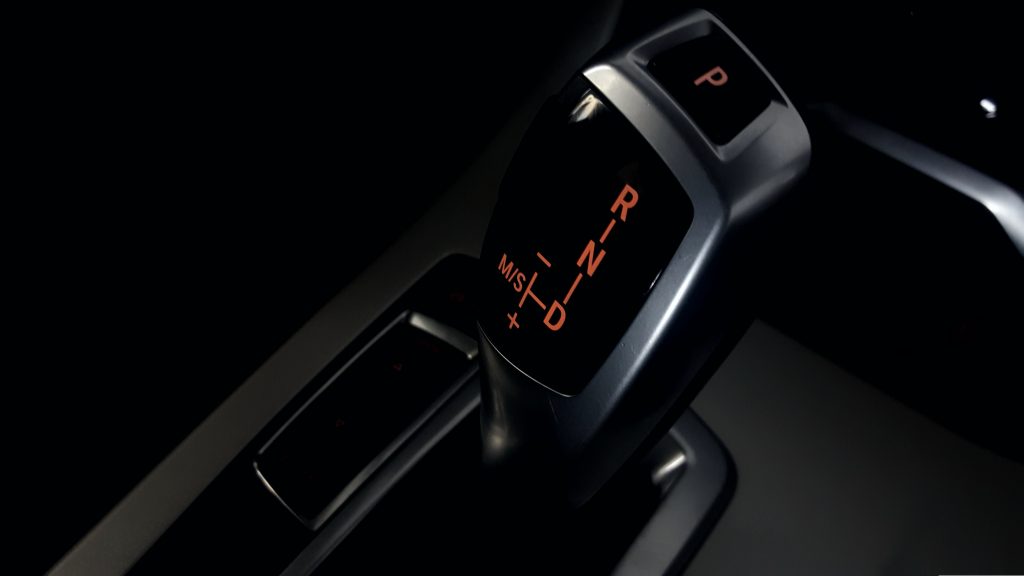
For many drivers, “the transmission” is a black box until the car shudders, refuses a gear, or lights up the dashboard. Continuously variable transmissions (CVTs) and multi-speed automatics are now the default in compact SUVs, hybrids, and family sedans. They are efficient. They are also one of the most expensive single repairs you can face after the factory warranty ends.
Parts inflation, specialist labour, and tighter packaging have pushed rising repair costs into this category even when the rest of the vehicle is fine. A rebuilt or replacement unit routinely lands in the thousands of dollars. This guide explains how CVTs differ from conventional automatics, which symptoms to take seriously, how to maintain them in Canadian stop-and-go and winter use, and how an extended auto warranty in Canada can turn an open-ended gearbox bill into a deductible—plus why transferable warranty resale value matters when you sell a used CVT vehicle.
What a CVT Actually Is (and Why Shops Treat It Differently)
A conventional automatic uses planetary gear sets and clutch packs to step through fixed ratios. A CVT uses a steel belt or chain running between two variable pulleys. Software picks a ratio that keeps the engine in an efficient band. That is why some CVTs drone at a steady rpm on a hill instead of downshifting with a noticeable “click.”
The design has fewer gears and, on paper, fewer parts. In practice it is intolerant of dirty fluid, overheating, and the wrong specification oil. The belt and pulley faces wear. The valve body and pump are precision parts. Many units are serviced as assemblies rather than rebuilt on the bench at a neighbourhood shop. That is why a “transmission job” on a modern compact SUV often means a remanufactured unit plus programming, not a $400 filter change that fixes everything.
Dual-clutch automatics and eight- or ten-speed conventional units have their own personalities: cold-shudder, delayed engagement, mechatronic failures. The ownership lesson is the same. Heat and neglected fluid shorten life. Replacement prices do not care that the engine still runs perfectly.
Why Transmission Repairs Cost What They Cost
Labour rates at dealerships have climbed. Modules need coding. Used and remanufactured cores are not always on the shelf. A single part may have crossed a border more than once before it reaches the shop, which is one reason driveline invoices have tracked broader parts inflation.
| Job | Typical Canadian range (CAD) | Notes |
|---|---|---|
| CVT or automatic fluid and filter service | $180–$450 | Specification matters more than brand colour |
| Solenoid, sensor, or valve-body repair | $400–$1,200 | Sometimes misdiagnosed as a “full replacement” |
| Mechatronic or control-module work | $1,200–$2,500+ | Programming required |
| CVT or automatic rebuild | $1,800–$4,000 | Not every unit is rebuildable locally |
| Remanufactured or new replacement | $3,500–$8,000+ | Common out-of-warranty outcome |
| Tow plus rental during a multi-day wait | $150–$600+ | Parts delays add days, not hours |
A second opinion is worthwhile if the first quote jumps straight to replacement. Many “dead” transmissions are solenoids, fluid, or a cooler line. Many others are genuinely finished. You want a scan, a fluid inspection, and a road test in the report—not a guess.
With a Warranty vs. Without
| Scenario | No coverage | With powertrain or higher-tier extended coverage (example $1,000 deductible) |
|---|---|---|
| CVT replacement at $6,200 | Pay $6,200 up front | Listed internals authorized to the plan; you pay the deductible |
| Valve body and solenoids at $1,100 | Pay $1,100 | Covered if those parts are on the schedule |
| Selling the car with 140,000 km on a CVT | Buyers discount “unknown gearbox” | Remaining transferable term can support the price |
A-Protect powertrain language is built around the transmission housing, valve body, gear sets, shafts, pump, and related internals (with separate descriptions for automatic vs. standard). Read exclusions such as manual-clutch wear and confirm what your exact plan lists. Compare tiers on the warranty packages page, then request a quote with the transmission type in the vehicle description if you know it.
Symptoms You Should Not Drive Through
- Shudder or vibration at a steady 40–70 km/h, especially as the unit warms
- Delayed drive or reverse engagement after sitting in the cold
- A whine that rises with speed rather than engine rpm
- Flare, slip, or a sudden rise in rpm without acceleration
- Burnt smell or dark, gritty fluid on the dipstick (if the unit has one)
- Limp mode, flashing gear indicator, or a hard shift into a single ratio
- Overheating warnings while climbing or towing
Stop and arrange a tow if the vehicle will not stay in gear. Continuing to drive a slipping CVT can turn a valve-body job into a belt-and-pulley replacement.
Transmission Maintenance Checklist
Marketing copy that says “lifetime fluid” does not mean “lifetime under Canadian winters, short trips, and hill commutes.” Heat cycles and moisture still age the oil. Follow the severe-service schedule if you idle in traffic, climb grades, or make repeated cold starts.
At every engine oil change
- Look for pink or red drips at cooler lines, the pan, and the axle seals.
- Note new noises in park versus drive. A pump whine at idle is worth a scan.
- Confirm the cooler is not packed with winter slush or off-road mud.
- Ask the shop to record fluid condition if they can inspect it safely.
At the manufacturer’s service interval (or sooner in severe use)
- Use only the specified CVT or ATF fluid. The wrong chemistry glazes belts and clutch plates.
- Replace the filter or screen where the design allows. A “drain and fill” that leaves most of the old fluid in the valve body is a half job on some units.
- Inspect the pan magnet for excessive metallic paste. A light film can be normal; flakes are not.
- Update transmission software if a bulletin addresses cold-shift or shudder.
- On hybrids, remember the transaxle may share cooling with other systems. Low coolant can show up as gearbox heat.
Driving habits that reduce heat
- Do not hold the vehicle on a hill with the throttle. Use the brake.
- Avoid repeated rock-and-steer in deep snow. That shreds belts and clutches.
- Let the vehicle idle briefly after a hard highway run in hot weather so cooler flow can drop the sump temperature.
- Stay inside the tow rating. CVTs and small automatics were not all designed for a loaded utility trailer.
- After a cold start, drive gently until the shift quality smooths out. Many dual-clutch and CVT units are abrupt until fluid thins.
Save every invoice with the fluid brand and specification written on it. That document is useful at claim time and when a used-car buyer asks whether “the CVT was ever done.”
How to Protect Yourself From Rising Repair Costs
- Identify the gearbox. CVT, dual-clutch, or conventional automatic—coverage language and service needs differ.
- Find the factory powertrain end date in kilometres and time. Comprehensive and powertrain coverage rarely expire together.
- Service on the severe schedule if your commute is short, hilly, or winter-heavy.
- Get a diagnosis before authorizing a full replacement.
- Price an extended plan against one realistic replacement, not against a year with no shop visits.
- Ask about transfer if you might sell before the contract ends.
For a vehicle-specific walkthrough, contact A-Protect Warranty. It is easier to underwrite a quiet, serviced transmission than one that already bangs into gear.
What the Contract Needs to Say
Powertrain-focused plans exist because engines and transmissions dominate catastrophic bills. On A-Protect schedules, automatic coverage typically speaks to the housing, torque converter, valve body, gear sets, shafts, pump, governor, clutches, and bands. Standard (manual) coverage is written separately. Transaxle and differential internals are described by driveline layout. Wear items and some electronics may sit on higher tiers or options.
Ask whether programming labour follows a covered replacement, how authorization works, and whether used or remanufactured parts are allowed. Those details decide how a $6,000 estimate actually settles.
Buying or Selling a Used Vehicle With a CVT
Shoppers have read the horror stories. Some are earned; some are old headlines applied to every pulley gearbox. Your job is evidence.
- Pre-purchase inspection with a scan and a warm road test
- Fluid service records tied to kilometres
- No metallic glitter on the dipstick or in a sample
- Smooth ratio changes on hills, not a flare and a bang
- Clarity on remaining factory or aftermarket coverage and whether it transfers
A transferable contract does not make a neglected CVT healthy. It does reduce the discount a cautious buyer applies when the alternative is “as-is” at 120,000 kilometres. That is the practical meaning of transferable warranty resale value in this segment.
A Simple Ownership Picture
A six-year-old crossover, 115,000 kilometres, factory powertrain coverage just ended. The owner has done engine oil religiously and never asked about CVT fluid. A highway shudder appears in winter. The dealer recommends a replacement unit at more than $6,000.
If a fluid service and software update might have delayed that failure, that is a maintenance lesson. If the belt is finished, that is a budgeting lesson. Owners who combine severe-service fluid changes with a powertrain plan are not claiming the gearbox is immortal. They are refusing to let one component erase the savings of keeping a paid-off vehicle.
Frequently Asked Questions
Is a CVT less reliable than a regular automatic?
It depends on the design, fluid discipline, and heat. Some CVTs run for high kilometres when serviced; some families of units have poor reputations. Treat yours as a heat-sensitive component, not as a sealed box you can ignore.
Does “lifetime transmission fluid” mean I never service it?
Treat “lifetime” as “the life the manufacturer planned under ideal conditions.” Canadian winters, short trips, and hills are often listed as severe service. When in doubt, service the fluid with the correct specification and keep the invoice.
Will an extended auto warranty in Canada cover a CVT replacement?
If the contract lists the transmission internals and the failure is a covered breakdown—not wear from neglected fluid or a pre-existing shudder—you are in claim territory. Authorization, maintenance records, and exclusions still apply.
Can I buy coverage after the transmission already slips?
Pre-existing conditions are generally excluded. Get a quote while the vehicle shifts normally.
Are torque converters and valve bodies included?
On many powertrain schedules, yes—they are core automatic parts. Confirm your tier rather than assuming every electrical sensor on the case is included.
Does transferable coverage help sell a CVT-equipped used car?
It can. Buyers fear this repair more than almost any other. Remaining term plus service records is a cleaner story than “it has been fine so far.”
The Bottom Line
Modern transmissions save fuel and complicate ownership. Fluid specification, heat, and time decide much of their life. Replacement prices decide whether a failure is an inconvenience or a financial event.
Service the unit you have. Do not drive through slip. Then decide whether a powertrain or broader plan belongs next to your insurance. Compare A-Protect packages, request a quote, or contact the team before the shudder becomes a replacement order.