


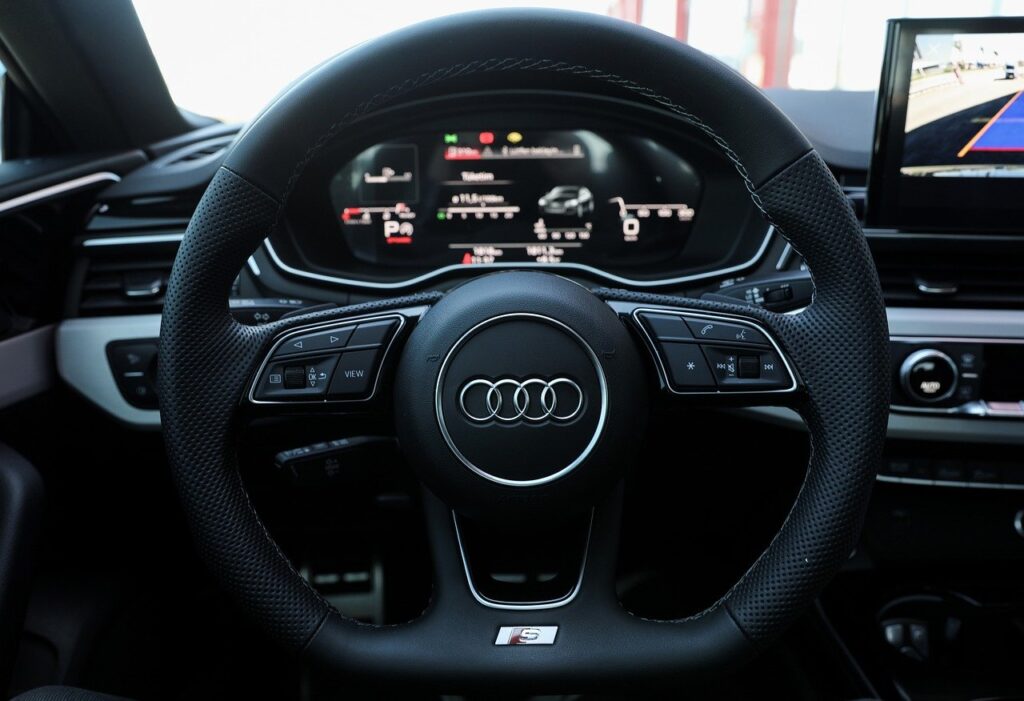
Modern vehicles are smarter, safer, and more comfortable than ever. Drivers now expect large touchscreens, advanced safety features, digital dashboards, parking sensors, lane-keeping systems, blind-spot monitoring, automatic emergency braking, and connected infotainment tools. These technologies improve the driving experience in many ways. But they also introduce a new ownership reality: when something goes wrong, the repair bill can be much higher than many drivers expect.
For Canadian vehicle owners, this matters because the cost of ownership is no longer just about fuel, oil changes, and tires. It is also about electronics, software-linked components, diagnostics, calibration, and specialized labour. A relatively small issue that once involved a basic part replacement may now involve a sensor network, a control module, or a camera that needs recalibration. That is one reason an extended auto warranty in Canada has become more relevant in a market shaped by rising repair costs and increasingly complex vehicles.
In this article, we will look at why modern car technology can be so expensive to repair, which systems create the biggest surprise bills, what maintenance habits can reduce your risk, and how extended warranty protection can help drivers manage the financial side of high-tech vehicle ownership.
Why modern vehicle technology changes repair costs
Years ago, many repair decisions were simpler. A broken part was often visible, mechanical, and relatively straightforward to replace. Today, many vehicle systems are interconnected. A problem in one area may trigger issues in another, and even minor repairs can involve diagnostics, software procedures, or recalibration work.
For example, a small bumper impact may no longer be “just body damage.” If the bumper houses parking sensors, radar hardware, wiring, or ADAS components, the repair may include both physical replacement and electronic calibration. A failing touchscreen may affect navigation, climate controls, backup camera display, or vehicle settings. What once looked like a small issue can quickly become an expensive one.
This is why many drivers are surprised by repair invoices on otherwise well-maintained vehicles. The issue is not always poor reliability. It is often the cost of advanced technology itself.
The biggest high-tech repair-cost drivers
Modern vehicles contain dozens of systems that can affect repair costs, but some categories are especially important for owners to understand.
1. ADAS features and calibration costs
Advanced Driver Assistance Systems, often called ADAS, include technologies such as forward collision warning, blind-spot monitoring, lane departure warning, adaptive cruise control, parking assistance, and automatic emergency braking. These systems help improve safety, but they depend on cameras, radar units, ultrasonic sensors, and precision calibration.
If one of these components is damaged or disturbed, even during a relatively minor repair, the vehicle may need recalibration. That adds labour, equipment requirements, and time to the repair. In many cases, the component itself is not the only cost. The setup process afterward is part of the bill too.
2. Touchscreens and infotainment systems
In many modern vehicles, the centre screen controls much more than music. It may be integrated with climate settings, camera views, navigation, Bluetooth, smartphone connectivity, and core vehicle functions. When this system fails, the inconvenience can be immediate, and the repair can be expensive.
Drivers often assume a screen issue is minor because it looks like a consumer-electronics problem. But in a vehicle, infotainment hardware is tied into broader systems and may require replacement modules, specialized programming, or dealer-level support.
3. Digital dashboards and electronic modules
Many vehicles now replace traditional gauges with digital displays and rely more heavily on electronic control modules throughout the vehicle. These modules manage everything from engine and transmission functions to comfort features and safety systems.
When an electronic module fails, the result may include warning lights, strange behaviour, loss of convenience features, or drivability issues. Diagnosing module problems can be time-consuming, and replacement costs can add up quickly.
4. Cameras, sensors, and parking systems
Rear-view cameras, 360-degree camera systems, and parking sensors are common even on mainstream models. These features improve convenience and safety, but they also increase repair sensitivity. Something as simple as a damaged sensor housing, a wiring problem, or camera misalignment can create a surprisingly large invoice.
Because these systems are expected by buyers, owners often want them repaired properly rather than ignored. That is understandable, but it also increases out-of-pocket exposure after the factory warranty expires.
5. Connected climate and comfort systems
Heating and air conditioning systems now interact with touchscreens, sensors, control modules, and electronic actuators. A climate-control complaint may not only involve refrigerant or a mechanical issue. It may involve electronics, controls, and diagnostic time that raise the final cost.
This matters because comfort systems are not optional in everyday life. Canadian drivers rely on both heating and cooling across changing seasons, so unresolved HVAC issues tend to get fixed rather than postponed.
Why even minor incidents can now cost more
One of the biggest changes in modern vehicle ownership is that minor damage can trigger major repair processes. A low-speed parking lot incident might affect:
- Bumper-mounted sensors
- Backup camera systems
- Radar units
- Wiring harnesses
- Parking assistance features
- Post-repair calibration requirements
That means the total bill may be much higher than older vehicles owners would expect. Even if the vehicle remains drivable, the repair may still require advanced procedures to restore safety and convenience systems properly.
High-tech vehicle ownership: with and without extended warranty protection
| Ownership Scenario | Without Extended Warranty | With Extended Warranty |
|---|---|---|
| Infotainment screen failure | Owner may face diagnostic and replacement costs alone | Covered repairs may reduce financial shock, subject to plan terms |
| Electronic module issue | Unexpected repair bill and possible downtime | More predictable ownership costs |
| ADAS-related repair exposure | Owner absorbs full out-of-pocket risk | Coverage may help reduce covered component costs |
| Budget planning | Repair costs remain difficult to predict | Protection helps support cost planning |
| Resale confidence | Future buyer may worry about high-tech repair risk | Transferable coverage may improve buyer confidence |
Maintenance habits that help reduce surprise technology failures
While no maintenance routine can prevent every electronics-related problem, smart ownership habits can reduce avoidable issues and help catch small problems before they become costly ones.
Use this maintenance checklist to lower your risk:
- Respond to warning lights quickly: small electronic problems can become bigger when ignored.
- Protect cameras and sensors: keep them clean and inspect them after minor impacts.
- Address screen glitches early: freezing, flickering, or delayed responses may signal a deeper issue.
- Maintain the battery and charging system: weak electrical performance can trigger multiple electronic complaints.
- Do not ignore HVAC irregularities: modern climate systems may involve both mechanical and electronic components.
- Follow software update recommendations when applicable: updated systems may improve stability and functionality.
- Keep service records: documentation supports both maintenance planning and resale value.
These habits will not eliminate every repair, but they can improve reliability and reduce the chance that a minor issue turns into a larger failure.
Why extended warranty protection matters more in high-tech vehicles
Drivers often think of warranties in terms of major engine or transmission repairs. Those still matter, of course. But in modern vehicles, the growing value of an extended warranty also comes from protection against expensive electronic and technology-related repairs after the factory warranty ends.
An extended auto warranty in Canada may help by:
- Reducing the impact of major covered repair bills
- Helping owners budget for increasingly complex vehicles
- Supporting used-vehicle buyers who worry about hidden repair risk
- Making technology-heavy ownership feel more manageable
- Improving resale appeal when coverage is transferable
This matters for mainstream cars, family SUVs, hybrids, EVs, and luxury vehicles alike. Technology is no longer a niche feature. It is now part of almost every modern vehicle on the road.
Who should take this risk most seriously?
Technology-driven repair exposure is especially important for:
- Drivers nearing the end of factory warranty coverage
- Owners of vehicles with large integrated screens and digital controls
- Drivers of SUVs and crossovers with multiple safety features
- Luxury vehicle owners facing higher module and component costs
- Used-car buyers who want more predictable ownership costs
- Families that rely on one main vehicle and want fewer financial surprises
If your vehicle depends heavily on electronics and advanced safety features, the financial case for coverage often becomes stronger, not weaker.
How to plan ahead before the repair bill arrives
The best time to think about repair-cost protection is before something fails. Once a screen goes dark, a module fails, or a sensor problem starts affecting daily use, the decision becomes urgent and stressful. Planning ahead gives you more control.
- Review when your factory coverage ends.
- Take note of all technology-heavy features in your vehicle.
- Keep maintenance and inspections current.
- Address small electronic problems early.
- Compare the cost of one major repair with the value of coverage.
- Choose protection before you are forced into a rushed decision.
Choosing the right plan for a technology-heavy vehicle
The right protection plan depends on your vehicle, mileage, and how long you plan to keep it. If your vehicle includes advanced electronics, digital interfaces, driver-assistance systems, or premium comfort features, you should think carefully about how those systems affect long-term repair exposure.
If you want to review options, A‑Protect Warranty offers helpful resources for Canadian drivers:
Final thoughts
Modern vehicle technology delivers real benefits. It improves safety, convenience, comfort, and the overall driving experience. But it also changes the financial side of ownership. Sensors, screens, ADAS features, electronic modules, and connected systems can create repair bills that feel surprisingly high, especially after the factory warranty has ended.
That is why more drivers are thinking seriously about rising repair costs, transferable warranty resale value, and the role of an extended auto warranty in Canada. In a high-tech ownership environment, protection is not just about what might break. It is about maintaining confidence, controlling financial risk, and making vehicle ownership easier to manage.
If you want to reduce the risk of surprise repair bills, request a quote or contact A‑Protect Warranty today.
Sources
- JD Power 2026 automotive technology and ownership studies
- Cox Automotive early 2026 market reports on affordability and ownership trends
- Industry commentary on ADAS calibration, repair complexity, and connected vehicle systems