


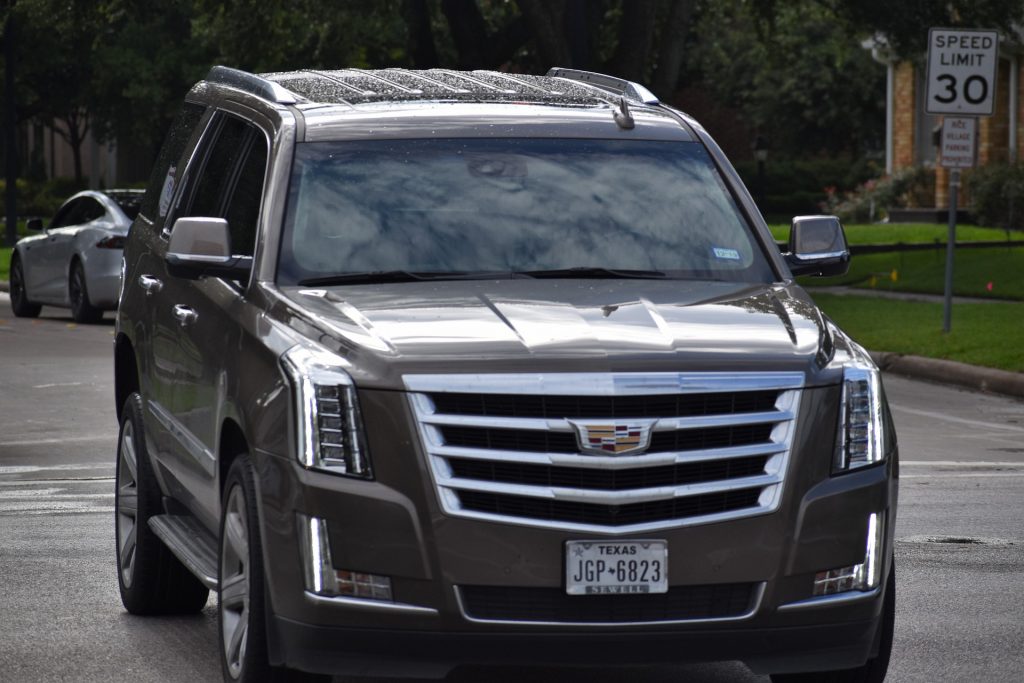
Air suspension has moved from exotic options into everyday premium ownership. Range Rovers, Mercedes GLS and S-Class models, Audi Q7/Q8, BMW X5/X7, Lincoln Navigators, Cadillac Escalades, and even some Ram and Jeep trims use air springs, compressors, height sensors, and electronic valves to deliver a smooth ride and adjustable ground clearance.
When the system works, it is excellent for Canadian roads—absorbing potholes, leveling a loaded vehicle, and lowering for entry. When it fails, the repair bill is rarely modest. A single air strut or compressor often lands between $900 and $2,600 installed. Full system work on a luxury SUV can exceed $3,000–$6,000. Those numbers sit squarely in the category of rising repair costs that appear after the factory warranty ends.
This guide explains how air suspension fails in Canadian conditions, which maintenance steps reduce the odds of a cascade, what an extended auto warranty in Canada can cover on higher tiers, and how remaining transferable coverage supports transferable warranty resale value when you sell a used luxury vehicle.
How Air Suspension Works—and Why It Costs More to Fix
Instead of steel springs, the system uses flexible air springs (bags or struts) pressurized by an electric compressor. Height sensors and a control module adjust pressure so the vehicle stays level. Valves route air to individual corners. Many systems also include electronic damping.
The convenience comes with complexity. Rubber air springs crack from age, heat cycles, and road salt. Compressors burn out when they run constantly to compensate for a leak. Sensors corrode. Lines and fittings develop slow leaks that empty the system overnight. A sagging corner is the classic early sign. Left unaddressed, the compressor works overtime until it fails, and the repair expands from one bag to compressor plus multiple corners.
Canadian winters accelerate the process. Freeze–thaw cycles stress rubber. Salt attacks fittings and sensors. Short trips and infrequent use allow moisture to collect. Luxury and premium SUVs that see both city commuting and cottage or ski-weekend loads experience more pressure cycles than a highway-only sedan.
Typical Repair Costs in Canada
Ranges below reflect independent-shop and dealer quotes commonly reported for Canadian and North American markets. Exact figures depend on model, whether OEM or quality aftermarket parts are used, and labour rates in your city.
| Component or job | Typical installed range (CAD) | Common trigger |
|---|---|---|
| Single air spring or air strut | $900–$2,600 | Cracked bladder, sagging corner |
| Air compressor | $450–$1,300 | Constant running from a leak, motor wear |
| Ride-height sensor or linkage | $200–$450 | Corrosion, false readings |
| Valve block / solenoid | $250–$700 | Internal leak or electrical fault |
| Air line or fitting repair | $150–$400 | Pinched or cracked line |
| Multiple corners + compressor | $3,000–$6,000+ | Neglected leak that destroyed the compressor |
Dealership pricing often sits 20–40% higher than independent specialists. On a three-row luxury SUV, replacing two rear air springs plus the compressor at a dealer can pass $4,500 in one visit. These are mechanical and electronic failures, not collision claims.
With Coverage vs. Without
| Scenario | No extended warranty | With a broader package that lists suspension / high-tech components (example $1,000 deductible) |
|---|---|---|
| Single air strut at $1,800 | Pay $1,800 | Covered if listed; you pay the deductible after authorization |
| Compressor failure at $1,100 after a slow leak | Pay $1,100 | Eligible when the compressor is on the schedule and maintenance was reasonable |
| Full system work at $4,500 | Pay $4,500 | Listed parts limited to contract terms and deductible |
| Private sale of a used luxury SUV | Buyer discounts for “air ride needs work” | Remaining transferable term can support the asking price |
Powertrain-only plans rarely include air suspension. Broader packages that cover high-tech or luxury-oriented components are the relevant conversation. Review the component grids on A-Protect’s warranty packages page and request a quote with your exact year, make, and model so you know whether air springs, compressors, and related electronics are listed.
Warning Signs to Address Early
- One corner sits lower after overnight parking
- Compressor runs for long periods or starts frequently
- Vehicle sags when loaded or fails to level
- Warning message for air suspension or ride height
- Harsh or bouncy ride that was previously smooth
- Hissing sound from a wheel well or under the vehicle
- Compressor that no longer runs at all
A slow leak caught early is often one corner plus a sensor or line. Ignored, it becomes a compressor replacement and potentially multiple bags. Driving on a fully collapsed air spring can also damage other suspension components.
Air Suspension Maintenance Checklist
You cannot eliminate wear, but you can reduce the cascade.
Monthly visual checks
- Park on level ground and note whether all four corners sit at the same height after the system has settled.
- Look for cracks, dry rot, or oil residue on the air springs (especially the rear on SUVs that carry cargo).
- Listen for the compressor after you open a door or load the vehicle. Constant running is a warning.
Seasonal and service-visit items
- Wash the underbody after winter salt season so fittings and sensors are not left in brine.
- Ask your shop to scan for air-suspension codes even if no light is on.
- Inspect air lines for chafing where they pass near exhaust or suspension travel.
- Confirm the system still raises and lowers when you use the height control (if equipped).
Usage habits that help
- Avoid prolonged operation with a known leak. The compressor is the expensive casualty.
- Do not overload beyond the manufacturer’s ratings; extra weight increases cycles and heat.
- If you store the vehicle for months, cycle the system occasionally so seals stay flexible.
- After any suspension or alignment work, verify height sensors were not disturbed.
Keep every invoice. A documented history of prompt leak repairs is useful both for future claims and when you sell.
How to Protect Yourself From Rising Repair Costs
- Know whether your vehicle has air suspension. Not every trim of a luxury SUV does.
- Address sagging or compressor noise while it is still one component.
- Budget the realistic failure (one strut or compressor) rather than assuming the system is maintenance-free.
- Match an extended plan to the systems you actually have. Powertrain coverage alone will not list air springs.
- Confirm claim rules, deductibles, and whether calibration or height-sensor work follows a covered part.
- Ask about transfer if you may sell the vehicle while coverage remains.
For help matching a specific luxury SUV or truck to a suitable package, contact A-Protect Warranty. Quotes are clearer while the system still levels normally.
What Contracts Typically Cover
Higher-tier or luxury-oriented extended warranties may list air springs, compressors, height sensors, and related control modules under suspension or high-tech sections. Entry-level powertrain plans focus on engine and transmission and generally exclude air suspension. Always read the schedule rather than the marketing summary.
Coverage assumes the failure is a covered breakdown rather than the result of ignored leaks, overload, or modifications. Authorization and service records still apply. A-Protect offers multiple package levels so owners of electronics- and suspension-heavy vehicles can choose broader protection when it fits their risk.
Resale Value on Used Luxury Vehicles
Used-market shoppers for Range Rovers, Mercedes SUVs, and similar vehicles actively ask about air suspension history. A sagging corner or a “needs compressor” note becomes a negotiation tool. Remaining transferable coverage on listed suspension and electronic components reduces that discount and can help a private sale compete with dealer inventory that already advertises protection.
Transferable warranty resale value works best when paired with recent service records showing the system was maintained and any prior leaks were repaired. Confirm transfer fees and remaining term before you list the vehicle.
A Practical Ownership Example
A seven-year-old luxury SUV with 110,000 kilometres. Factory coverage ended two years ago. One rear corner has sat slightly low for a month; the owner topped up nothing because “it still drives.” The compressor now runs for minutes after every start. The shop finds a cracked air spring and a compressor that has overheated from constant duty. The combined invoice exceeds $3,000.
Catching the spring at the first sag and replacing only that corner would have been the lower number. A broader extended plan that listed the air spring and compressor would have limited the owner’s out-of-pocket exposure to the deductible. Maintenance awareness and coverage together contain the risk that pure hope does not.
Frequently Asked Questions
How much does air suspension repair cost in Canada?
A single air spring or strut commonly runs $900–$2,600 installed. Compressors often fall between $450 and $1,300. Multiple corners plus a compressor can exceed $3,000–$6,000. Luxury models and dealer labour push the upper end higher.
Does an extended auto warranty in Canada cover air suspension?
Powertrain-only plans usually do not. Broader packages that include suspension or high-tech components may list air springs, compressors, and related sensors. Confirm the exact schedule for your vehicle before you enroll.
Can I drive with a sagging air spring?
Short distances at low speed may be possible, but continued driving risks compressor failure and additional damage. Address the leak promptly.
Why do air suspension systems fail more in Canada?
Road salt, freeze–thaw cycles, and moisture accelerate rubber cracking, sensor corrosion, and fitting leaks. Infrequent use or short trips can also allow moisture to collect inside the system.
Will transferable coverage help when I sell a luxury SUV?
Yes. Buyers of used luxury vehicles specifically fear air-suspension bills. Remaining transferable protection on listed components reduces that fear and can support a stronger offer.
Should I replace all four air springs at once?
Not always. Many owners replace the failed corner and monitor the others. If multiple corners are the same age and one has already failed, a specialist may recommend planning the remaining corners to avoid repeated labour.
The Bottom Line
Air suspension delivers a premium ride until a bag cracks or a compressor burns out. Canadian conditions make those failures more likely, and the resulting invoices are large enough to erase the comfort advantage. Early attention to sagging corners and compressor behaviour prevents many cascades. An extended plan that actually lists the relevant components caps the rest.
If you own or are considering a luxury SUV or truck with air suspension past the factory warranty, compare packages that match the hardware. Request a quote from A-Protect Warranty or contact the team while the system still levels correctly. Protection is simplest to arrange before the next overnight sag turns into a four-figure visit.