


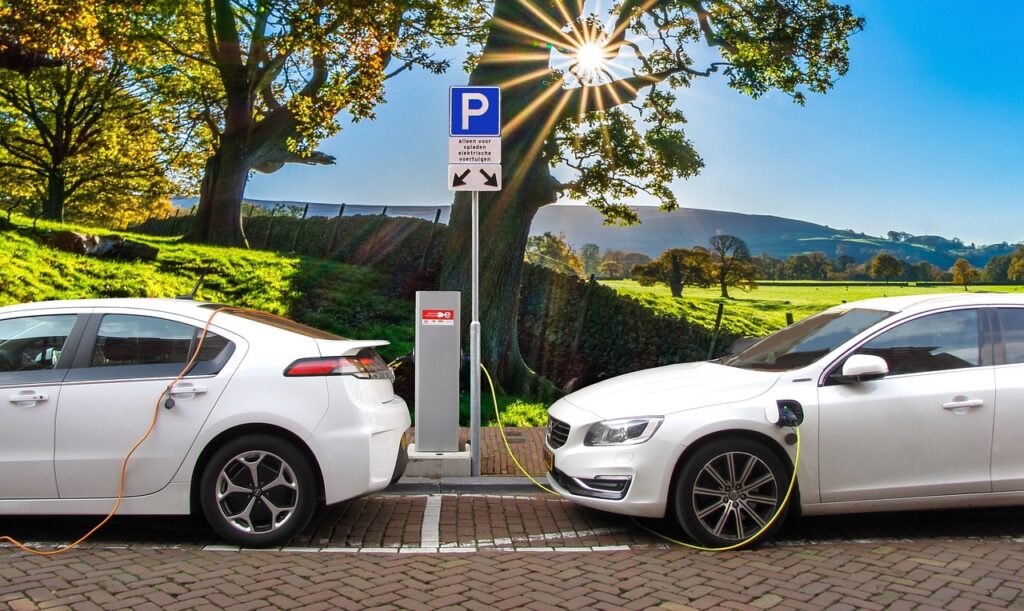
Choosing between an electric vehicle, a hybrid, and a traditional gas-powered vehicle is no longer just about fuel economy. For many Canadian drivers, the bigger question is what happens after the factory warranty ends. Which type of vehicle is most likely to create an expensive surprise? Which one is easiest to budget for over the long term? And how should drivers think about an extended auto warranty in Canada when modern vehicles keep getting more advanced?
The answer is not as simple as saying one powertrain is always cheaper or always riskier. Each vehicle type comes with its own strengths, maintenance profile, and repair exposure. Electric vehicles have fewer moving engine parts, but they depend heavily on battery systems, charging hardware, electronics, and software. Hybrids combine gasoline and electric systems, which can improve efficiency but also increase complexity. Gas vehicles remain familiar and widely serviceable, yet they still face rising repair costs tied to transmissions, turbochargers, cooling systems, sensors, and increasingly sophisticated onboard technology.
As of April 2026, automotive research continued to highlight affordability, total cost of ownership, EV charging experience, used-vehicle pricing, and resale value as major market themes. Sources referenced for topic alignment include Cox Automotive April 2026 market reports and JD Power 2026 EV and residual value studies.
In this guide, we will compare EV, hybrid, and gas vehicle repair-cost risk, explain the maintenance realities for each, and show why warranty coverage can be a practical way to protect yourself from rising repair costs.
Why the repair-cost conversation has changed
Modern vehicles are more advanced than ever. No matter which powertrain you choose, you are likely driving a vehicle filled with sensors, modules, infotainment screens, cameras, safety systems, and software-controlled components. That means repair bills are not only about engines and transmissions anymore. They are also about electronics, diagnostics, calibration, and specialized labour.
This matters because many drivers assume newer technology always lowers maintenance costs. Sometimes it does. But it can also shift the type of expenses you face. A gas vehicle might need more traditional maintenance over time. A hybrid may require attention to both combustion and electric systems. An EV may skip oil changes but still carry expensive risk in batteries, charging components, thermal management systems, and other high-tech hardware.
As a result, the key question is not simply, “Which vehicle breaks more?” The better question is: Which vehicle creates the greatest financial risk when something important fails outside warranty?
Gas vehicles: familiar, but not always cheap to repair
Gas-powered vehicles are still the default choice for many Canadians. They are familiar, supported by a broad repair network, and easier for most owners to understand. That familiarity can make them feel less risky.
However, gas vehicles still carry meaningful repair-cost exposure after factory coverage ends. Common problem areas include:
- Automatic transmission issues
- Turbocharger failure on turbocharged engines
- Fuel system and direct-injection problems
- Cooling system failures
- Air conditioning compressor and HVAC repairs
- Suspension and steering component wear
- Infotainment and dashboard electronics
- ADAS sensors, cameras, and recalibration needs
Many of these repairs are expensive not because the vehicle is poorly built, but because modern gas vehicles are no longer mechanically simple. Even a mainstream SUV or crossover may include technology that used to be limited to luxury vehicles. The result is that a “normal” gas vehicle can still generate a four-figure repair bill very quickly.
Hybrids: efficient and practical, but more complex
Hybrid vehicles are often viewed as the middle ground between EVs and gas models. They can lower fuel consumption, reduce range anxiety, and offer a more gradual transition into electrified driving. For many drivers, that makes them a very attractive long-term choice.
But hybrids also bring together two systems in one vehicle: the internal combustion side and the electric side. That means owners may face repair risk from both categories over the life of the vehicle. Depending on the model, potential issues can involve:
- Gas-engine-related repairs and maintenance
- Battery pack components
- Power electronics and inverters
- Regenerative braking system components
- Cooling systems that support battery or hybrid hardware
- Electronic control modules and sensors
That does not mean hybrids are a poor choice. In fact, many hybrids have strong reputations for durability and resale strength. Still, from a repair-risk perspective, hybrids can be more complex than many owners expect. Complexity does not always mean more frequent failure, but it can mean more expensive diagnosis and higher repair costs when something does go wrong.
EVs: fewer routine service items, but high-tech repair exposure
Electric vehicles are often described as simpler to maintain because they avoid oil changes, many engine-related repairs, and some of the wear points found in gas vehicles. That is true to a point. EVs can reduce several routine maintenance items, and many owners appreciate the lower day-to-day service burden.
However, EVs are not repair-free. Their repair exposure is simply different. Common cost-risk areas can include:
- High-voltage battery-related issues
- Charging system components
- Thermal management systems
- Power electronics and control modules
- Onboard software and integrated hardware
- Touchscreen and infotainment failures
- Sensor-heavy safety and driver-assistance systems
EV ownership also comes with a learning curve around charging habits, battery temperature management, software updates, and long-term cost planning. While some routine maintenance may be lower, the biggest financial concern for many EV owners is the possibility of a major out-of-warranty repair involving expensive electrical or battery-related systems.
Which powertrain has the biggest repair-cost risk?
If we are talking strictly about potential size of an out-of-warranty repair bill, EVs and hybrids can carry very high exposure because of battery systems, electronics, and specialized components. If we are talking about breadth of common repair categories, gas vehicles still have plenty of expensive failure points, especially when transmissions, turbo systems, cooling systems, and electronics are involved. If we are talking about system complexity, hybrids may be the most layered because they combine both gas and electric hardware.
So the most practical answer is this:
- Gas vehicles often have more familiar repair patterns, but repair bills are still rising and modern technology makes many fixes expensive.
- Hybrids can offer strong efficiency and resale value, but their dual-system design may increase long-term complexity.
- EVs may reduce routine maintenance, but they can expose owners to costly high-tech repairs if major components fail outside warranty.
For budget-conscious drivers, the “riskiest” vehicle is usually the one that combines high repair severity with low financial flexibility. In other words, a vehicle does not have to break often to become a serious problem. It only needs one major uncovered repair at the wrong time.
Maintenance checklist by vehicle type
No powertrain is maintenance-free. Here is a simple ownership checklist to help reduce avoidable problems:
| Vehicle Type | Key Maintenance Priorities | What Owners Often Overlook |
|---|---|---|
| Gas | Oil changes, fluid checks, brakes, tires, cooling system service | Transmission servicing, turbo warning signs, sensor-related alerts |
| Hybrid | Oil service, brakes, tires, cooling checks, regular inspections | Hybrid system cooling, battery-related diagnostics, dual-system complexity |
| EV | Tires, brakes, cabin filters, software updates, thermal system checks | Charging habits, battery temperature management, warning messages, long-term component planning |
Regardless of vehicle type, these habits matter:
- Do not ignore warning lights or unusual sounds
- Follow the owner’s manual maintenance schedule
- Keep detailed service records
- Inspect tires and brakes regularly
- Address HVAC or cooling issues early
- Investigate software or electronics problems before they spread
Why extended warranty coverage matters across all three categories
Some drivers assume extended protection only makes sense for luxury vehicles or high-mileage gas cars. That view is outdated. Because all three powertrain categories now depend heavily on electronics, modules, and complex systems, an extended auto warranty in Canada can be useful whether you drive an EV, hybrid, or gas model.
Extended coverage may help by:
- Reducing the shock of a major covered repair
- Helping with budget planning in a higher-cost repair market
- Supporting confidence in used-vehicle ownership
- Improving appeal to future buyers if coverage is transferable
- Making advanced vehicle technology feel less financially intimidating
This is especially important for drivers who plan to keep a vehicle beyond the factory warranty period. The longer you own a vehicle, the more likely you are to reach the years when repair risk becomes financially meaningful.
Transferable warranty resale value still matters
Whether you drive a gas SUV, a hybrid sedan, or an EV crossover, resale value remains a major part of total ownership cost. A vehicle that is easier to sell and inspires more buyer confidence can reduce your long-term cost of ownership. That is why transferable warranty resale value deserves attention. A transferable protection plan may help reassure buyers that they are not stepping into immediate repair risk, especially with vehicles that include expensive electronics or electrified systems.
A transferable warranty may help:
- Increase buyer confidence
- Support your asking price
- Help your vehicle stand out in a crowded used market
- Reduce concerns about near-term repair costs
How to choose the right protection plan
The right plan depends on your vehicle type, how long you plan to keep it, your annual mileage, and how much repair risk your budget can realistically absorb. A driver keeping a gas truck for years may want protection from major mechanical repairs. A hybrid owner may care more about system complexity and long-term confidence. An EV owner may want added peace of mind around expensive electrical components and technology-heavy systems.
If you are reviewing options, A‑Protect Warranty offers resources to help you compare plans and request a quote:
Final thoughts
There is no one-size-fits-all winner in the EV versus hybrid versus gas debate once repair-cost risk enters the conversation. Each powertrain has advantages, and each carries different forms of financial exposure after the factory warranty expires. Gas vehicles bring familiar but still expensive repair categories. Hybrids offer efficiency but add system complexity. EVs can reduce routine maintenance yet concentrate risk in costly technology-driven components.
That is why Canadian drivers should think beyond fuel savings and monthly payments. The real question is how to protect yourself from the repair costs that can appear later in ownership. An extended auto warranty in Canada can help turn uncertainty into a more manageable plan, especially when paired with regular maintenance and careful record-keeping.
If you want help comparing coverage options for your EV, hybrid, or gas vehicle, request a quote or contact A‑Protect Warranty today.
Sources
- Cox Automotive April 2026 EV Market Monitor
- Cox Automotive April 2026 Manheim Used Vehicle Value Index
- Kelley Blue Book / Cox Automotive April 2026 Average Transaction Price Report
- JD Power 2026 U.S. Electric Vehicle Experience Ownership Study
- JD Power 2026 U.S. Electric Vehicle Experience Home Charging Study
- JD Power 2026 Canada ALG Residual Value Awards
- JD Power 2026 U.S. ALG Residual Value Awards