


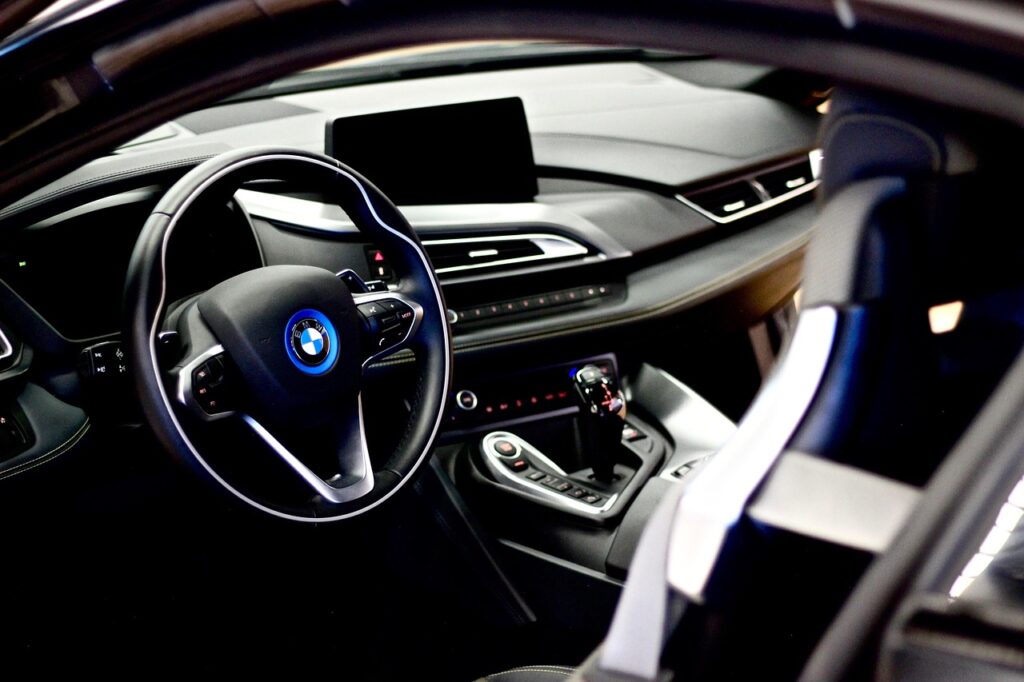
Most vehicles built in the last decade use electric power steering (EPS) instead of traditional hydraulic systems. An electric motor, sensors, and a control module assist the driver. The design saves fuel and simplifies packaging, but when it fails the repair is rarely inexpensive. A failed EPS motor, torque sensor, or control module commonly costs $1,200–$2,500 or more once labour and programming are included.
These failures contribute to rising repair costs on vehicles that are otherwise reliable. Canadian winters add stress through cold starts, road salt on underbody connectors, and voltage issues from weak 12-volt batteries. Once the factory warranty ends, the owner pays. This article explains how EPS systems fail, what maintenance and early detection can do, typical costs, and how an extended auto warranty in Canada may cover listed steering and electrical components—while also supporting transferable warranty resale value.
How Electric Power Steering Differs from Older Systems
Hydraulic systems used a belt-driven pump, fluid, and hoses. EPS eliminates most of that hardware. A motor mounted on the steering column or rack provides assist based on input from a torque sensor and vehicle speed data. The control module communicates with other systems. There is no power-steering fluid to change, but there are electronics and a motor that can fail.
Advantages include better fuel economy and easier integration with driver-assistance features. The trade-off is that diagnosis often requires a scan tool, and replacement parts are modules or complete rack assemblies rather than a simple pump. Programming is frequently required after replacement.
Typical EPS Repair Costs
| Repair | Typical range (CAD) | Common causes |
|---|---|---|
| EPS control module replacement + programming | $800–$1,800 | Internal failure, voltage issues, water intrusion |
| Torque sensor or steering-angle sensor | $400–$1,200 | Wear, corrosion, calibration faults |
| EPS motor or complete rack assembly | $1,500–$3,000+ | Motor failure, internal rack wear |
| Diagnosis and calibration | $150–$400 | Required before and after many repairs |
| Related wiring or connector repair | $200–$600 | Corrosion from road salt, chafing |
Dealer pricing is usually higher than independent specialists who have the correct software. A complete rack replacement on some models exceeds $2,500–$3,500 installed. These are electrical and mechanical failures not covered by collision insurance.
With Coverage vs. Without
| Scenario | No extended warranty | With broader coverage listing steering/electrical components (example $1,000 deductible) |
|---|---|---|
| EPS module replacement at $1,400 | Pay $1,400 | Listed module may be covered after authorization |
| Complete rack/motor assembly at $2,200 | Pay $2,200 | Eligible if the assembly or motor is on the schedule |
| Sensor and calibration only | Pay $600–$1,000 | Covered when the sensor is listed |
| Selling the vehicle | Buyer discounts for steering concerns | Remaining transferable coverage reduces risk perception |
Powertrain plans typically exclude steering electronics. Broader packages that include electrical components, control modules, or specific steering items are more likely to respond. Check the details on the warranty packages page and request a quote for your year, make, and model.
Warning Signs of EPS Problems
- Power-steering warning light or message
- Suddenly heavy steering or intermittent loss of assist
- Steering that feels notchy, vague, or inconsistent
- Unusual noises (whining, clicking) from the column or rack area when turning
- Vehicle pulling or requiring constant correction (may also indicate alignment or sensor issues)
- Faults that appear after a battery replacement, jump-start, or electrical work
Stop driving if assist is lost completely. Heavy steering at highway speeds is a safety issue. Have the vehicle scanned promptly.
Maintenance and Prevention Checklist
Electrical health
- Maintain a healthy 12-volt battery. Low voltage is a frequent contributor to EPS module faults.
- Clean battery terminals and main grounds regularly, especially after winter.
- Address parasitic drains or charging-system problems quickly.
Underbody and environmental care
- Wash the underbody to reduce salt exposure on connectors and the rack area.
- Inspect for damaged wiring boots or corroded connectors during service.
- Avoid deep water or pressure-washing directly at electrical connectors.
After any related work
- Confirm calibration or steering-angle sensor reset was performed after alignment, battery replacement, or suspension work.
- Keep invoices that document scans and any programming.
- Test steering feel on a safe road after repairs.
There is no fluid to change on most EPS systems, so prevention centers on electrical health and corrosion control.
How to Protect Yourself From Rising Repair Costs
- Keep the 12-volt system healthy to reduce the chance of module faults.
- Address warning lights immediately rather than continuing to drive.
- Use shops with the correct diagnostic software for your vehicle.
- Choose extended coverage that lists electrical modules and steering components if you are past the factory warranty.
- Document battery service and any electrical repairs.
- Confirm whether the plan is transferable for future resale.
For vehicle-specific guidance, contact A-Protect Warranty.
Coverage Considerations
Extended warranties respond to listed mechanical and electrical breakdowns. EPS motors, control modules, and certain sensors may be covered on broader tiers. Wear items, external damage, and pre-existing conditions are excluded. Programming and calibration required to complete a covered repair are often included; stand-alone recalibration after unrelated work usually is not. Read the component list and exclusions.
Resale Value
Steering concerns make buyers cautious. A vehicle with a clean steering history, recent battery service records, and remaining transferable coverage on listed electrical or steering components is easier to sell. That remaining protection functions as practical transferable warranty resale value.
A Realistic Example
A seven-year-old sedan develops intermittent heavy steering and a warning light after a cold winter. Diagnosis points to a failing EPS control module, aggravated by a weak battery the previous season. Replacement plus programming exceeds $1,500. Proactive battery replacement and terminal cleaning might have prevented the fault. An extended plan listing the module would have limited the owner’s cost to the deductible.
Frequently Asked Questions
Is there power-steering fluid to change on EPS systems?
Most electric power steering systems do not use hydraulic fluid. Maintenance focuses on the 12-volt electrical system and corrosion prevention rather than fluid services.
Does an extended auto warranty in Canada cover electric power steering?
It depends on the plan. Broader packages that list control modules, electrical components, or steering-related parts often cover EPS motors and modules. Powertrain-only plans usually do not. Confirm the schedule.
Can a weak battery cause EPS problems?
Yes. Low voltage or voltage fluctuations are a common trigger for EPS module faults and warning lights.
Is it safe to drive with the power-steering light on?
If assist is still present, drive cautiously to a shop. If assist is lost, do not continue at highway speeds. Have the vehicle towed if steering is dangerously heavy.
Do EPS repairs require programming?
Frequently yes. Modules and some sensors must be coded or calibrated to the vehicle after replacement.
Will transferable coverage help sell a car with EPS?
Yes. Remaining coverage on listed steering or electrical components reduces buyer concern about expensive electronic steering repairs.
The Bottom Line
Electric power steering is reliable for many kilometres but expensive when the motor, module, or sensors fail. Canadian conditions and electrical-system health influence the risk. Early attention to battery condition and warning lights prevents some failures. An extended warranty that lists the relevant components provides a financial limit on the ones that still occur.
If your vehicle is out of factory coverage, compare plans that address electronics and steering. Request a quote from A-Protect Warranty or contact the team before a steering warning light turns into a four-figure repair.