


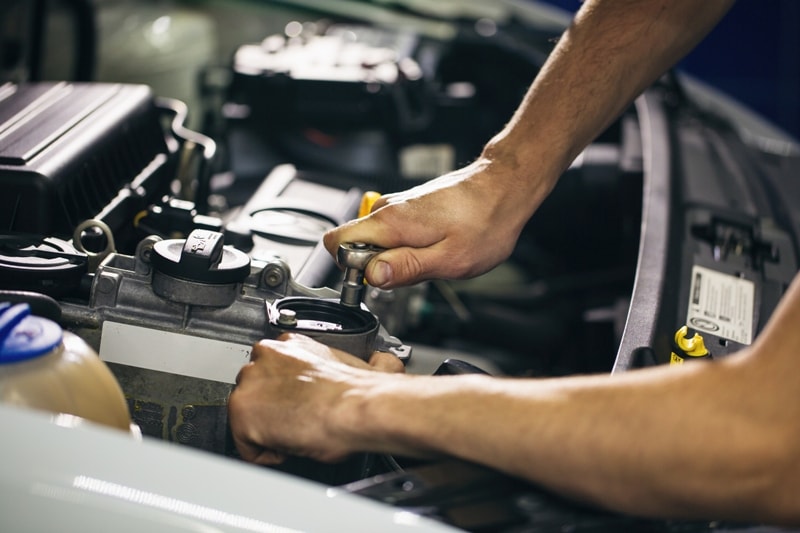
The alternator keeps the 12-volt battery charged and powers the vehicle’s electrical systems while the engine runs. When it fails, the battery drains, warning lights appear, and the vehicle can stall or refuse to restart. On modern cars the alternator also supports a growing list of electronics, cameras, and control modules, so a failure often creates multiple symptoms at once.
Replacement commonly costs $500–$1,200 or more once labour, a quality unit, and any related belt or tensioner work are included. These repairs are a straightforward example of rising repair costs that appear after the factory warranty ends. Cold weather, short trips, and high electrical loads accelerate wear. An extended auto warranty in Canada frequently covers the alternator and related charging components on powertrain or broader plans, limiting the owner’s cost to a deductible while also supporting transferable warranty resale value.
How the Charging System Works and Why It Fails
The alternator is belt-driven and converts mechanical energy into electrical current. A voltage regulator (often built-in) controls output. Common failure points include worn brushes, failed diodes or regulator, bearing wear, and belt or tensioner problems that reduce drive efficiency.
Canadian conditions contribute. Cold weather increases battery demand at startup. Short trips never allow a full recharge cycle. High electrical loads from heated seats, defrosters, and always-on modules add stress. Corrosion on connections from road salt can also create charging faults that mimic alternator failure.
Typical Charging System Repair Costs
| Repair | Typical range (CAD) | Notes |
|---|---|---|
| Alternator replacement | $500–$1,200 | Remanufactured units cost less than new OEM; labour varies by access |
| Voltage regulator (if separate) | $200–$500 | Often integrated into modern alternators |
| Serpentine belt and tensioner | $150–$400 | Frequently replaced at the same time |
| Charging system diagnosis | $100–$250 | Includes battery and output testing |
| Related battery replacement | $250–$450 | A chronically undercharged battery often needs replacement too |
Dealer pricing is usually higher. Independent shops with quality remanufactured alternators can reduce the total. Ignoring a failing alternator risks being stranded and can damage the battery or sensitive electronics through low-voltage events.
With Coverage vs. Without
| Scenario | No extended warranty | With powertrain or broader coverage listing the alternator (example $1,000 deductible) |
|---|---|---|
| Alternator replacement at $850 | Pay $850 | Commonly covered; owner pays deductible after authorization |
| Alternator + belt/tensioner at $1,100 | Pay $1,100 | Alternator eligible; belt may be maintenance |
| Stranded vehicle + tow | Pay repair + tow | Repair covered; towing reimbursement depends on plan benefits |
| Selling the vehicle | Buyer notes charging concerns | Remaining transferable coverage reduces perceived risk |
The alternator is one of the more frequently covered components on extended powertrain plans. Confirm the exact language on the warranty packages page and request a quote for your vehicle.
Warning Signs of Alternator or Charging Problems
- Battery or charging-system warning light
- Dim headlights or interior lights that brighten when engine speed increases
- Slow cranking or a battery that repeatedly goes dead
- Electrical accessories (windows, radio, climate control) behaving erratically
- Whining, grinding, or squealing from the alternator area
- Burning smell from the engine bay
- Vehicle stalls while driving and will not restart
Have the charging system tested promptly. A simple output and battery test at most shops can confirm whether the alternator is the cause.
Maintenance Checklist for Charging System Health
Regular checks
- Inspect the serpentine belt for cracks, glazing, or looseness at oil-change intervals.
- Listen for unusual noises from the front of the engine.
- Test battery and charging system voltage periodically, especially before winter.
Connections and environment
- Keep battery terminals and main grounds clean and tight. Poor connections mimic charging faults.
- Wash road salt from the engine bay and underbody connections when practical.
- Address any battery that will not hold a charge—chronic undercharging stresses the alternator.
After repairs
- Confirm the new alternator is the correct amperage rating for the vehicle.
- Have the system retested after installation.
- Keep the invoice showing the part and labour.
How to Protect Yourself From Rising Repair Costs
- Test the charging system if the battery repeatedly dies or a warning light appears.
- Replace a worn belt and tensioner at the same time as the alternator when recommended.
- Maintain clean electrical connections to avoid false charging faults.
- Confirm alternator coverage on your extended plan—it is commonly included.
- Address problems before you are stranded.
- Keep records for claims and resale.
Questions about coverage for your vehicle? Contact A-Protect Warranty.
What Extended Warranties Usually Cover
The alternator (including the internal regulator on most modern units) is a standard powertrain or electrical component on many extended plans. Belts and tensioners are often treated as maintenance. Diagnosis and labour to replace a covered alternator are typically included after authorization. Pre-existing failures and damage from neglected connections or a failed battery that was ignored may affect eligibility. Towing reimbursement, if offered, is a separate benefit with its own limits.
Resale Considerations
A recent alternator replacement with records is generally viewed positively. Remaining transferable coverage that includes the charging system further reduces buyer concern about future electrical reliability and supports transferable warranty resale value.
A Common Scenario
A seven-year-old sedan shows a battery light and dim headlights. Testing confirms the alternator is not charging. Replacement with a quality unit, plus a worn belt, totals $950. The owner is not stranded because the warning was heeded. An extended plan covering the alternator limits the out-of-pocket cost to the deductible once the repair is authorized, provided the vehicle met any inspection or maintenance requirements.
Frequently Asked Questions
How long does an alternator last?
Many last 120,000–200,000 kilometres or more. Failures can occur earlier due to high electrical loads, heat, bearing wear, or belt issues.
Does an extended auto warranty in Canada cover the alternator?
Yes on most powertrain and broader plans. It is one of the more commonly listed components. Confirm the exact wording for your contract.
Can a bad alternator damage the battery?
Yes. Chronic undercharging shortens battery life. A failed alternator can also cause voltage spikes that affect electronics in some cases.
Should the belt be replaced with the alternator?
Often yes if the belt or tensioner shows wear. A failing belt can damage a new alternator or leave you stranded again soon.
Is it safe to drive with the battery light on?
You may have limited time before the battery is depleted and the engine stalls. Drive directly to a shop or arrange a tow rather than continuing a long trip.
Will transferable coverage help sell a vehicle after an alternator repair?
Yes. A documented recent repair plus remaining coverage on the charging system reassures buyers about electrical reliability.
The Bottom Line
Alternator failure is a common and relatively predictable repair that can leave you stranded if ignored. Testing at the first warning light, maintaining the belt and connections, and carrying extended coverage that includes the alternator keep the cost and inconvenience manageable. Because the component is widely covered, it is one of the clearer financial benefits of an extended plan for many drivers.
Check your charging system health and coverage options. Compare A-Protect warranty packages, request a quote, or contact the team before a battery light turns into a roadside breakdown.