


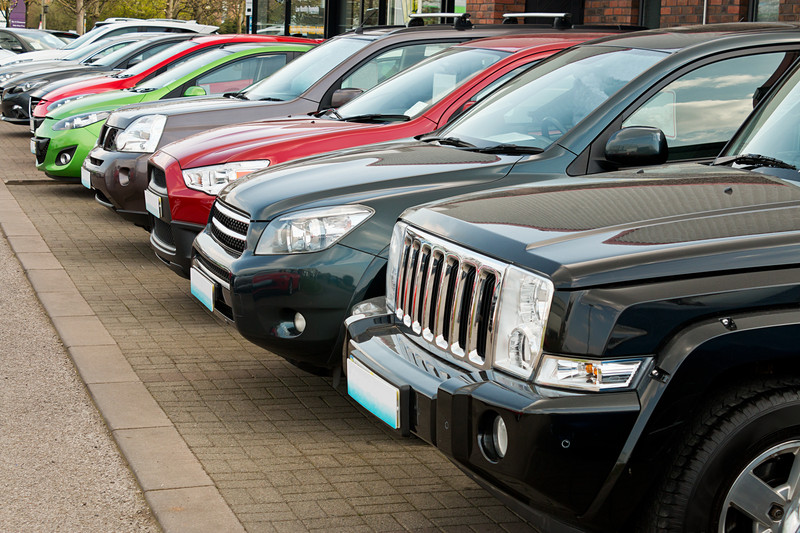
Across Canada and the U.S., a clear ownership trend is reshaping the auto world: drivers are keeping their vehicles longer.
Sometimes it’s a choice (a reliable vehicle you love), and sometimes it’s financial reality (higher new-car prices, higher interest rates, and
uncertainty about what to buy next—gas, hybrid, or EV).
Keeping a vehicle longer can be a smart move—especially when resale values hold up. But it also changes your risk profile. Once a vehicle moves past
its factory warranty window, the odds of expensive repairs climb. And modern repairs are more complex than ever because vehicles now depend on
electronics, sensors, and software. Even a “small” fix can require diagnostic scanning, programming, and calibration.
That’s why more Canadians are researching an extended auto warranty in Canada as part of a long-term ownership strategy.
Done right, extended coverage isn’t about avoiding maintenance—it’s about reducing the financial shock of major covered repairs and supporting
transferable warranty resale value (where plan terms allow) if you sell later.
What’s driving the “keep it longer” trend?
Several market forces are pushing owners toward longer vehicle life cycles:
- Higher replacement costs: When new-vehicle prices rise, the value of your current vehicle increases—and replacing it feels less attractive.
- Financing pressure: Many drivers want to avoid taking on a larger payment, especially if their current vehicle still runs well.
- Uncertain technology decisions: Some buyers feel stuck between gas, hybrid, and EV options and prefer to wait.
- Used market dynamics: Certain vehicle types hold value well, making “drive it longer” financially logical.
- Repair demand grows as fleets age: Longer ownership increases overall demand for maintenance and repairs, which can affect shop availability and pricing.
Industry reporting on the automotive aftermarket has highlighted that economic headwinds (including tariffs, consumer debt, and insurance costs) are
contributing to extended vehicle ownership, increasing demand for maintenance and repair services.
The catch: rising repair costs and modern repair complexity
Keeping your vehicle longer only works if you can manage repair risk. Unfortunately, rising repair costs aren’t just about inflation.
They’re about complexity:
- More modules and sensors: Vehicles contain many computers that communicate constantly. Failures can require specialized diagnosis.
- More required repair steps: Pre- and post-repair scans are increasingly common.
- Calibration and programming: Repairs can require resets, relearns, and ADAS calibration—especially after windshield or front-end work.
- Parts price volatility: Supply chain disruptions and trade policy pressures can affect pricing and availability.
In simple terms: the “parts + labor” era is becoming “parts + labor + diagnostics + software procedures + calibration.” That’s a big shift for budgets.
ADAS calibration: the cost drivers many drivers don’t expect
ADAS (Advanced Driver Assistance Systems) includes features like lane-keeping assist, adaptive cruise control, automatic emergency braking,
blind-spot monitoring, and camera-based parking systems. These features can enhance safety, but they also increase repair complexity.
Many vehicles require ADAS calibration after certain services, including:
- Windshield replacement
- Front bumper or grille repairs
- Sensor/camera replacement
- Some suspension or alignment work (depending on vehicle requirements)
Calibration cost ranges vary widely based on the vehicle, the systems involved, and the procedure type (static vs. dynamic). The bigger point is this:
even if the repair seems “simple,” the verification process may not be.
A practical maintenance plan for long-term ownership
Preventive maintenance is the best tool you control. It reduces breakdown risk, protects resale value, and helps prevent small issues from turning into
major repairs. If you’re planning to keep a car longer than the typical ownership cycle, a consistent maintenance routine is non-negotiable.
High-impact maintenance checklist (save this)
- Oil and filter (gas/hybrid): Follow the manufacturer schedule and use the correct oil specification.
- Cooling system checks (all vehicles): Check coolant level regularly; address leaks early to avoid overheating or thermal-management issues.
- Transmission care (gas/hybrid): Have fluid condition checked periodically; service intervals depend on vehicle and driving conditions.
- Brakes: Inspect pads/rotors; replace brake fluid when recommended (moisture reduces performance).
- Tires: Maintain PSI, rotate on schedule, and correct alignment issues early to prevent premature wear.
- Battery health (12V): Test annually; replace before it fails to avoid no-start issues and electrical glitches.
- Filters: Cabin and engine air filters are low-cost items that protect comfort and efficiency.
- Don’t ignore warning lights: Early diagnosis is almost always cheaper than “wait for it to get worse.”
Common repair escalations (how small issues become big bills)
| Early symptom | If ignored | Why it gets expensive |
|---|---|---|
| Slow coolant loss | Overheating, water pump failure, engine damage | Heat can cause cascading failures and long downtime |
| Minor brake noise | Rotor/caliper damage | More parts replaced than a standard pad service |
| Intermittent check-engine light | Limp mode, drivability issues | Diagnosis time increases; potential sensor/module replacement |
| Uneven tire wear | Premature tire replacement | Tires add up quickly, and alignment issues compound wear |
| Windshield crack on an ADAS vehicle | Calibration required after replacement | Added calibration/verification steps beyond the glass |
With vs. without an extended warranty: the long-term budget difference
When you keep a vehicle longer, you’re betting on reliability. Maintenance helps—but it doesn’t eliminate surprise failures.
An extended auto warranty in Canada can help by reducing your exposure to major repair costs for covered components.
| Ownership scenario | Without extended warranty | With extended warranty (where covered) |
|---|---|---|
| Unexpected major repair after factory warranty | Full out-of-pocket parts + labor + diagnostics | Covered repairs may reduce out-of-pocket costs (plan terms apply) |
| Budgeting month-to-month | Repairs arrive as financial shocks | More predictable ownership planning |
| Keeping a tech-heavy vehicle (ADAS/electronics) | Higher risk of expensive electronics-related repairs | Coverage can help manage the cost of covered failures |
| Resale later | Buyers worry about high repair costs | Transferable warranty resale value may increase buyer confidence (if transferable) |
How to protect yourself from rising repair costs (simple step-by-step)
- Decide your ownership horizon: If you plan to keep the vehicle longer, plan your maintenance and protection now.
- Focus on high-impact maintenance: cooling, tires, brakes, battery health, and fluid services.
- Diagnose early: warning lights and minor symptoms are usually cheaper to address early.
- Plan for modern procedures: scans, programming, and calibrations are increasingly normal.
- Reduce the big-ticket risk: consider extended warranty coverage for expensive covered failures.
- Keep documentation: it supports resale value and simplifies service decisions.
Ready to explore coverage options? Start here:
Warranty Packages.
For pricing based on your vehicle details:
Request a Quote.
Want help choosing the right level of coverage for your driving habits and budget?
Contact A-Protect Warranty.
References:
- Automotive aftermarket update discussing extended vehicle ownership and repair demand
- ADAS calibration overview and typical cost ranges by calibration type
- Repair complexity and ADAS as drivers of rising repair severity
- Used EV pricing trends and total cost of ownership considerations