


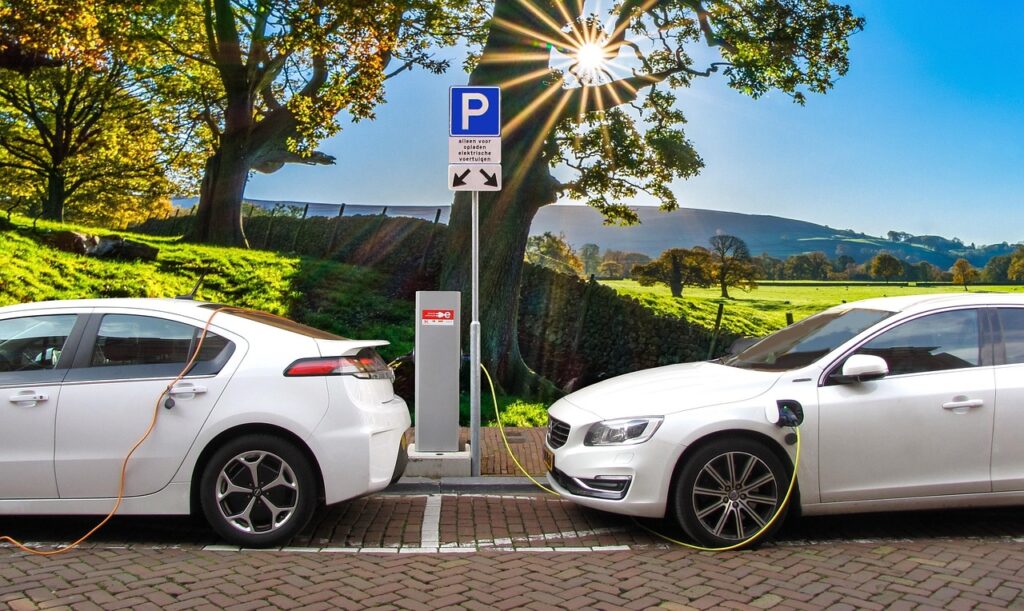
The used car market is changing fast—and one of the biggest shifts is happening in electric vehicles. Across North America, used EV prices have been falling, bringing many models closer to gas vehicles in upfront cost. That’s great news for buyers, but it also creates new questions for owners: What will my vehicle be worth later? And just as important: What happens if a high-tech repair shows up at the worst possible time?
At the same time, vehicles (EVs and gas cars alike) are becoming more complex. More sensors, more modules, more software, more driver-assist features—meaning repair bills can climb even when you’re doing everything “right.” Add in pricing pressure on parts and higher labor rates, and the result is a reality many Canadians are feeling: rising repair costs and less predictable ownership expenses.
This article breaks down what’s driving these trends, what preventive maintenance still delivers the biggest payoff, and how an
extended auto warranty in Canada can help protect your budget—without relying on hype. You’ll also learn how coverage can support
transferable warranty resale value (when plan terms allow), which matters more when depreciation patterns are shifting.
Why used EV prices are falling (and what it means for Canadian drivers)
Used EV prices have dropped for a few practical reasons:
- More supply: a growing number of off-lease EVs are entering the used market.
- Fast-moving tech: improvements in range, charging speed, and software can make older EVs feel “outdated” sooner.
- Pricing and incentives change: shifts in rebates and new-vehicle pricing can pull used values down.
In other words: a used EV can be an excellent value today, but depreciation can be harder to predict than it is for some long-established gas models.
If you already own an EV, this may push you to keep it longer to “use the value” rather than sell during a soft resale period. If you’re buying,
you’re getting access to newer technology at a lower entry price—often the best way to buy any vehicle.
Either way, when the plan becomes “keep it longer,” the focus shifts from purchase price to total cost of ownership—and that’s where
maintenance and repair protection matter most.
The real cost risk isn’t gas vs. EV—it’s complexity
Many people assume EVs are “cheap to maintain,” and in some ways that’s true: fewer moving parts, no oil changes, and regenerative braking that can
reduce brake wear. But the most expensive problems usually aren’t routine maintenance problems—they’re unexpected failures:
electronics, sensors, cooling components, high-voltage-related systems, and the many control modules that run modern vehicles.
Gas vehicles are not immune either. A modern turbocharged, direct-injection gas vehicle may have:
advanced emissions components, multiple cooling loops, electronic steering, complex infotainment, and an ADAS suite that increases diagnostic and
calibration needs.
The most important takeaway for a budget-conscious driver is this:
repairs are increasingly expensive because vehicles are increasingly “computerized.”
ADAS calibrations: why “simple repairs” can come with extra charges
ADAS (Advanced Driver Assistance Systems) includes features like lane-keeping assist, adaptive cruise control, automatic emergency braking, blind-spot
monitoring, and 360° camera systems. These features can improve safety, but they can also increase repair steps and cost.
Many vehicles require ADAS calibration after repairs such as:
- Windshield replacement (front camera recalibration)
- Front-end repairs or bumper work (radar/sensor alignment)
- Suspension work or wheel alignment (varies by vehicle)
- Replacement of cameras, radar units, or parking sensors
Calibration costs can range from “annoying” to “serious,” especially when multiple systems must be reset and validated. This is one reason drivers
experience sticker shock: the repair isn’t only parts + labor—it’s parts + labor + diagnostics + calibration + verification.
Right to Repair and data access: why your choice of repair shop can affect cost and downtime
Another trend that affects real-world costs is repair data access. Modern vehicles generate detailed diagnostic information that helps
technicians complete repairs properly. When access to that data is limited or delayed, drivers may experience:
- Fewer repair options: being pushed toward fewer service providers for certain procedures
- Longer wait times: delays due to authorization, software access, or tooling limitations
- Higher bills: limited competition can increase pricing pressure
You don’t need to track every policy update to protect yourself. You just need to assume that data-driven repairs are here to stay—and plan your
ownership strategy accordingly.
A smart ownership plan when resale values are uncertain: maintain, document, protect
When depreciation trends are unpredictable (as they can be in the used EV space), the best “financial defense” is to run a tighter ownership plan:
- Prevent expensive breakdowns with high-impact maintenance.
- Keep records so your vehicle is easier to sell later and easier to service today.
- Reduce financial shock from unexpected major repairs with an extended warranty.
This is also where an extended warranty can support transferable warranty resale value (when your plan allows transfer). Even if you
don’t sell soon, transferability can increase buyer confidence later—especially when buyers worry about high-tech repair bills.
Preventive maintenance that reduces “big repair” risk (EV + gas)
Preventive maintenance doesn’t mean spending money constantly. It means spending a little at the right times to avoid spending a lot later.
Use this checklist as a simple, high-impact guide.
Maintenance checklist (save this)
- Battery and charging habits (EV/hybrid): follow best practices for charging and storage; avoid chronic extremes when possible.
- 12V battery health (all vehicles): test annually; replace before it fails—weak 12V batteries can cause confusing electrical faults.
- Cooling systems (EV + gas): EVs often have multiple cooling loops; keep fluids at proper levels and follow service intervals.
- Brakes: even with regenerative braking, calipers and sliders can seize if ignored—inspect periodically, especially in winter climates.
- Tires: rotate on schedule, maintain PSI, and align if you notice uneven wear; EV torque can accelerate tire wear.
- Cabin air filter: replace to protect HVAC performance (and reduce strain on blower motors).
- Software updates (if applicable): keep vehicle software current when updates address safety, charging, or drivability issues.
- Don’t ignore warning lights: diagnose early—small faults can become “no start” days.
Common “small problems” that turn into expensive repairs
| Early Warning Sign | What It Can Turn Into | Why It Gets Expensive |
|---|---|---|
| Intermittent electrical glitches | No-start condition, module replacement | Diagnosis time + programming + module costs |
| Uneven tire wear | Premature tire replacement | Tires + alignment; EVs can be harder on tires |
| Windshield crack on an ADAS vehicle | Required calibration after replacement | Glass + calibration + verification steps |
| Coolant level slowly dropping | Overheating (gas) / thermal management issues (EV) | Heat damage can cascade into major repairs |
| Brake vibration or sticking caliper | Rotor damage, reduced braking performance | More parts replaced; safety risk increases |
With vs. without coverage: the budgeting difference
The value of an extended warranty isn’t that it replaces maintenance—you still maintain your vehicle. The value is that it can help protect you from
high-cost surprises that are difficult to predict, especially in a world of sensors, modules, and calibrations.
| Scenario | Without Extended Warranty | With Extended Warranty (where covered) |
|---|---|---|
| Unexpected component failure | Full out-of-pocket parts + labor, often with extra diagnostics | Covered repairs may reduce out-of-pocket exposure (plan terms apply) |
| Keeping the vehicle longer due to resale uncertainty | Rising risk as mileage and age increase | Coverage supports long-term ownership planning |
| Selling later | Buyer concerns about expensive repairs reduce offers | Transferable warranty resale value can improve buyer confidence (if transferable) |
| Tech-heavy repairs (ADAS / electronics) | Repair steps expand (scan + calibrate + verify) | Coverage can help manage the financial impact of covered failures |
How to protect yourself from rising repair costs (simple 3-step guide)
- Maintain the systems that cause the biggest bills: cooling, tires, brakes, and battery health.
- Fix small issues early: warning lights, glass damage, and abnormal noises are usually cheaper at the start.
- Choose a coverage plan that matches your risk: especially if you plan to keep your vehicle beyond the factory warranty period.
If you want to explore options without guesswork, start here:
Warranty Packages.
When you’re ready for pricing based on your vehicle, use:
Request a Quote.
Choosing the right extended auto warranty in Canada: quick checklist
- Coverage level: powertrain-only vs. more comprehensive coverage for modern electronics
- Claims process: clarity matters most when you’re already dealing with a breakdown
- Transferability: valuable if you might sell later
- Driving profile: commuting, long-distance travel, rideshare, or high annual mileage
- Vehicle type: EVs, hybrids, turbo gas, luxury models—each has different cost risks
Have a question about fit, eligibility, or coverage levels? Talk to a real team member:
Contact A-Protect Warranty.
References:
used EV pricing trends,
pre-owned EV market growth reporting,
repair data access discussion,
ADAS calibration cost ranges.