


Owning a vehicle in Canada has always involved trade-offs—purchase price vs. reliability, fuel costs vs. convenience, and maintenance vs. “I’ll deal
with it later.” But today’s ownership math is changing quickly. Two forces are reshaping what drivers pay over the life of a vehicle:
rising repair costs and trade policy pressures (including tariffs). Add modern vehicle technology—cameras, radar,
sensors, and software-dependent systems—and you get a situation where a “normal” repair can suddenly include diagnostics, programming, and
calibration. The bill can feel out of proportion to what actually broke.
That doesn’t mean drivers are powerless. In fact, there’s a practical strategy that works in almost any market:
prevent what you can, and protect yourself from what you can’t predict. Preventive maintenance reduces the chance of expensive
failures, while an extended auto warranty in Canada can help reduce the financial shock of major covered repairs—especially when
parts and labor costs are under pressure.
This article explains what’s driving today’s repair-cost reality, how tariffs can indirectly influence parts pricing, why ADAS calibrations are a
growing factor, and what maintenance steps deliver the biggest payoff. You’ll also see how extended coverage can support
transferable warranty resale value (where plan terms allow), which matters when buyers are increasingly cautious about high-tech
repairs.
Why repairs feel more expensive than they used to
Repair bills aren’t rising because one part suddenly costs double (although some do). They’re rising because the entire repair process has changed.
Modern vehicles are engineered with safety, efficiency, and comfort systems that rely on integrated electronics. That’s good for driving—but it can
make troubleshooting and repairs more time-consuming.
The biggest cost drivers today typically include:
- More technology per vehicle: sensors, cameras, radar, electronic steering, adaptive lighting, infotainment modules, and multiple control units.
- More required procedures: pre- and post-repair scans, software updates, relearns, and functional tests.
- ADAS calibration requirements: some repairs now require calibration to restore driver-assistance systems.
- Higher labor rates and training needs: advanced diagnosis is skilled work and takes time.
- Parts price volatility: supply chains, materials costs, and trade rules can influence pricing and availability.
The result is a common driver experience: you go in for one issue, and the estimate includes several line items that didn’t exist a decade ago.
Tariffs and trade policy: how they can influence what you pay
Most drivers don’t see tariffs directly on a repair invoice—but trade policy can affect costs in the background. When tariffs apply to vehicles or
automotive products across borders, they can create pricing pressure in the supply chain. That pressure can show up as:
- Higher parts costs for certain categories of components
- Longer wait times when sourcing shifts or inventory tightens
- Higher vehicle prices, which can make used vehicles hold value (and encourage owners to keep vehicles longer)
And when more owners keep vehicles longer, the overall demand for maintenance and repair rises—another reason repair markets can feel “hot.”
The key driver takeaway: even if you maintain your car well, the cost environment around parts and labor can still change. That’s one reason more
Canadians consider extended coverage as a budgeting tool, not just a “repair plan.”
ADAS calibrations: the hidden step that can add real cost
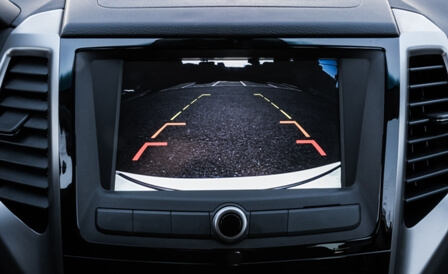
ADAS (Advanced Driver Assistance Systems) includes safety and convenience features like lane-keeping assist, automatic emergency braking, adaptive
cruise control, blind-spot monitoring, and parking cameras. These systems rely on cameras and sensors that must be aligned correctly. After certain
repairs, your vehicle may need ADAS calibration to restore those systems to proper operation.
Calibration may be required after:
- Windshield replacement (front camera calibration)
- Front-end repairs (radar/sensor alignment)
- Wheel alignment or suspension work (varies by model)
- Bumper replacement or sensor replacement
Why this matters for your budget: the cost isn’t only the physical repair. It’s also the validation steps needed to ensure safety systems work as
designed. As more vehicles include ADAS by default, calibrations are becoming more common—and more shops are investing in equipment and processes to
handle them.
Used vehicles, EV price shifts, and the “keep it longer” trend
Another trend affecting Canadian drivers is the changing used market—especially for EVs. Used EV prices have softened in many areas, driven by
factors like increasing off-lease inventory and rapid improvements in new EV technology. Meanwhile, some gas vehicles and hybrids have held value
better than expected, partly because new vehicles remain expensive for many households.
When resale values are uncertain, many owners make a practical decision:
keep the vehicle longer. That decision increases the importance of two things:
- Preventive maintenance: to reduce major failures as the vehicle ages
- Financial protection: to reduce out-of-pocket risk when an expensive repair appears
This is where an extended warranty can contribute to a smarter long-term plan—especially if your coverage is
transferable (where available), because it can improve buyer confidence when you decide to sell.
Preventive maintenance that reduces expensive repairs (high-impact checklist)
If you want the best return on maintenance spending, focus on items that prevent “cascade failures”—where a small issue turns into a major repair.
Here’s a practical checklist you can follow with almost any vehicle.
Maintenance checklist (save this)
- Engine oil and filter (gas/hybrid): follow the manufacturer schedule and use the correct oil specification.
- Cooling system checks (all vehicles): low coolant or small leaks can lead to overheating and severe damage.
- Transmission service (gas/hybrid): periodic fluid condition checks help prevent premature wear.
- Brake inspections: catching pads early helps protect rotors and calipers.
- Tires and alignment: rotate tires regularly, keep proper pressure, and align if wear is uneven.
- Battery health (12V): a weak 12V battery can cause strange electrical symptoms and no-start conditions—even in EVs.
- Cabin and engine air filters: low-cost items that protect HVAC performance and engine efficiency.
- Address warning lights early: early diagnosis is usually cheaper than breakdown-level diagnosis.
“Small problem” vs. “big bill”: common escalations to avoid
| Early symptom | What it can become | Why it gets expensive |
|---|---|---|
| Slow coolant loss | Overheating, water pump damage, engine repairs | Heat-related failures can cascade quickly |
| Intermittent warning light | Limp mode, drivability issues | Diagnosis time + potential sensor/module costs |
| Brake vibration or squeal | Rotor damage, caliper issues | More parts replaced than a simple pad job |
| Uneven tire wear | Premature tire replacement | Tires + alignment costs add up fast |
| Windshield damage on an ADAS vehicle | Calibration requirement after replacement | Added procedure steps beyond the glass itself |
Extended warranty planning: why it’s becoming a mainstream budgeting tool
An extended warranty doesn’t replace maintenance. Instead, it can help cover the unpredictable, expensive repairs that are hard to budget for—especially
as vehicles become more technology-heavy and repair processes add steps like scanning and calibration.
Consider this simple comparison:
| Situation | Without extended warranty | With extended warranty (where covered) |
|---|---|---|
| Major component fails unexpectedly | Full out-of-pocket cost (parts + labor + diagnostics) | Reduced financial exposure for covered repairs (plan terms apply) |
| Keeping your car longer due to high replacement costs | Repair risk increases with age and mileage | Coverage can support long-term ownership planning |
| Selling the vehicle later | Buyers worry about high-tech repair bills | Transferable warranty resale value may improve buyer confidence (if transferable) |
| Technology-related repair (electronics/ADAS systems) | Diagnosis and procedures can be extensive | Coverage may help manage costs when failures are covered |
If you’re exploring options, you can review coverage levels here:
Warranty Packages.
For pricing based on your vehicle and mileage, start here:
Request a Quote.
How to protect yourself from rising repair costs (step-by-step)
- Make maintenance non-negotiable: oil (if applicable), cooling system checks, tires, brakes, and battery health.
- Diagnose early: warning lights and small symptoms are cheaper to address before they escalate.
- Expect more “process cost”: modern repairs often require scans, programming, and calibration.
- Reduce your downside risk: consider extended warranty protection for expensive covered failures.
- Keep service records: great for resale value and helpful during repair approvals and servicing.
If you’d like help choosing a plan that fits your vehicle and driving habits, reach out here:
Contact A-Protect Warranty.
References:
If you want to read more about the trends referenced above, here are supporting sources
- Government backgrounder on Canada’s counter-tariffs for certain vehicles
- Consultation page on Canada’s automotive remission framework
- Industry reporting on the growth of ADAS calibration needs
- Calibration demand projections and recent repair share estimates
- Used EV pricing trends and ownership-cost comparisons