


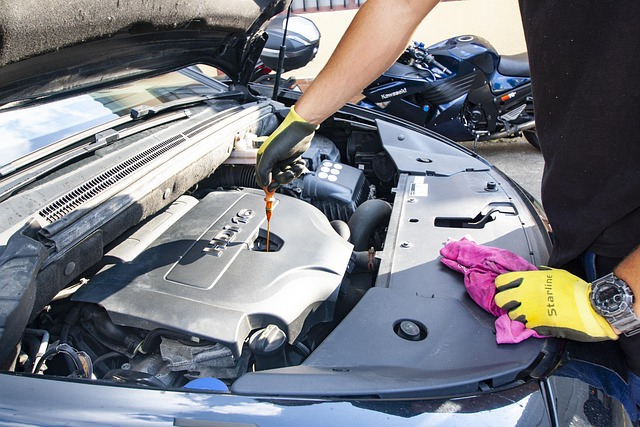
Many late-model engines—particularly turbocharged and direct-injection designs—use or consume some oil between changes. A small amount is normal. Excessive consumption, however, leads to frequent top-ups, fouled spark plugs, carbon buildup, catalytic converter damage, and, in severe cases, internal engine wear. Owners may find themselves adding a litre or more every few thousand kilometres.
Diagnosing and addressing high oil consumption can cost several hundred to several thousand dollars depending on the cause. Left unchecked, it contributes to rising repair costs through secondary damage. Monitoring oil level, using the correct oil, and timely repairs reduce risk. An extended auto warranty in Canada may cover certain listed internal engine components if consumption leads to a covered failure, while also supporting transferable warranty resale value when records are complete.
Why Some Modern Engines Consume Oil
Common contributors include:
- Turbocharger seal wear allowing oil into the intake or exhaust
- Positive crankcase ventilation (PCV) system issues
- Worn or stuck piston rings
- Valve-stem seal wear
- Direct-injection designs that can increase oil vapour in the intake
- Manufacturing tolerances or design characteristics on specific engine families
Short-trip driving, infrequent oil changes, and incorrect oil viscosity can worsen consumption. Canadian cold starts increase the number of enrichment and warm-up cycles, which may influence oil use on some engines.
Typical Costs Related to Oil Consumption
| Service or repair | Typical range (CAD) | Context |
|---|---|---|
| Diagnosis (compression, leak-down, PCV, turbo inspection) | $200–$500 | Essential first step |
| PCV valve or system service | $100–$400 | Common and relatively affordable fix |
| Turbocharger replacement (if seals failed) | $2,000–$3,500+ | Can resolve oil burning into intake/exhaust |
| Piston ring or internal engine work | $3,000–$8,000+ | Major repair if rings are worn |
| Catalytic converter (secondary damage) | $1,000–$2,500+ | From oil contamination |
| Ongoing oil top-ups | $50–$150 per year or more | Depends on consumption rate and oil price |
Many cases are resolved with PCV service, correct oil, or turbo attention before internal engine work is required. Ignoring high consumption risks more expensive secondary failures.
With Coverage vs. Without
| Scenario | No extended warranty | With powertrain or broader coverage (example $1,000 deductible) |
|---|---|---|
| Turbo replacement due to seal failure at $2,800 | Pay $2,800 | Often covered if turbo is listed (or optional endorsement) |
| Internal engine repair from worn rings | Pay $4,000–$8,000+ | Listed internals may be eligible with proper records |
| Routine oil top-ups and PCV service | Owner-paid | Maintenance; not a covered breakdown |
| Selling the vehicle | Buyer discounts for known oil use | Records + transferable coverage reduce concern |
Oil consumption itself is frequently excluded or limited. Coverage typically applies to a resulting mechanical breakdown of listed parts (for example, turbo or internal engine components) when maintenance requirements were met. Confirm details on the warranty packages page and request a quote.
Signs of Excessive Oil Consumption
- Needing to add oil more often than the owner’s manual suggests
- Blue smoke from the exhaust, especially on startup or acceleration
- Oil smell or residue in the intake or on the turbo
- Fouled spark plugs
- Increased carbon buildup or misfires
- Low oil level warnings between services
Check the oil level regularly—at least monthly and before long trips. Do not rely solely on the dashboard warning.
Maintenance Checklist to Manage Oil Consumption
Monitoring and oil choice
- Check oil level monthly with the engine off and on level ground.
- Use only the manufacturer-specified oil grade and specification.
- Change oil on time or earlier for severe service (short trips, cold weather, towing).
Related systems
- Inspect and service the PCV system as recommended or when consumption rises.
- Address turbocharger oil leaks or unusual smoke promptly.
- Fix any external oil leaks so consumption is not confused with leakage.
Records
- Log oil additions (date, amount, mileage).
- Keep all service invoices.
- Note any smoke, warnings, or diagnostic results.
How to Protect Yourself From Rising Repair Costs
- Monitor oil level consistently and top up as needed with the correct oil.
- Investigate rising consumption early with a proper diagnosis.
- Service the PCV system and address turbo concerns before internal damage occurs.
- Confirm how your extended plan treats oil consumption versus resulting component failures.
- Maintain complete records of oil use and services.
- Ask about transfer rules for future resale.
For guidance on a specific engine, contact A-Protect Warranty.
Warranty Considerations for Oil Consumption
Most extended warranties do not cover oil consumption as a standalone condition or routine top-ups. They may cover a failed turbocharger, piston rings, or other listed internal parts if the failure meets the contract definition of a breakdown and maintenance (including oil changes and level checks) was performed. Neglected low-oil conditions that cause damage are commonly excluded. Documentation of regular level checks and services strengthens any claim.
Resale Impact
Known high oil consumption lowers offers. A documented history of monitoring, any corrective repairs (PCV, turbo, etc.), and remaining transferable coverage on listed engine components reassures buyers and supports transferable warranty resale value.
A Practical Example
A six-year-old turbocharged SUV requires a litre of oil every 3,000 kilometres. Diagnosis points to turbo seal seepage and a restricted PCV valve. PCV service plus turbo replacement resolves most of the consumption. The turbo repair exceeds $2,500. Regular level checks prevented low-oil damage. An extended plan listing the turbo would have limited the owner’s cost to the deductible after authorization, provided oil-service records were complete.
Frequently Asked Questions
How much oil consumption is normal?
Many manufacturers consider up to 1 litre per 2,000–5,000 kilometres acceptable on some engines. Consistently higher rates or sudden increases warrant diagnosis. Check your owner’s manual.
Does an extended auto warranty in Canada cover oil consumption?
Oil consumption and routine top-ups are generally not covered. Resulting failures of listed components (such as a turbo or internal engine parts) may be eligible if maintenance requirements were met.
Can wrong oil increase consumption?
Yes. Incorrect viscosity or specification can increase oil use and affect turbo and ring sealing. Always use the recommended oil.
Will fixing the PCV system reduce oil consumption?
Often yes if the PCV valve or system is restricted or failed. It is one of the more affordable items to check first.
Can high oil consumption damage the catalytic converter?
Yes. Oil burning contaminates the catalyst and can lead to expensive converter replacement.
Does transferable coverage help if the vehicle uses oil?
Yes when paired with records of monitoring and any repairs. Remaining coverage on listed engine components reduces buyer concern about future internal or turbo repairs.
The Bottom Line
Some oil consumption is normal on modern engines, but excessive use signals a problem worth diagnosing. Regular level checks, correct oil, and attention to the PCV system and turbo prevent many costly secondary failures. Extended warranties typically respond to resulting listed-component breakdowns rather than the consumption itself, making records essential.
Monitor your oil, keep service documentation, and review coverage options. Compare A-Protect warranty packages, request a quote, or contact the team so you understand what is protected if consumption leads to a larger repair.