


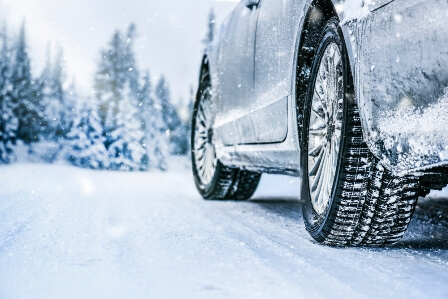
Every Canadian winter coats vehicles in road salt, brine, and slush. The chemicals keep roads safer, but they attack metal, rubber, and electronics underneath the car. Brake lines, fuel lines, suspension components, exhaust systems, and even wiring harnesses corrode faster than many owners expect. What begins as surface rust can become a seized caliper, a leaking fuel line, or a failed ABS module.
These failures contribute directly to rising repair costs. Labour to free corroded fasteners is high, replacement parts (especially OEM lines and modules) are expensive, and the work often appears after the factory warranty has ended. Preventive washing and inspections reduce the risk, but they do not eliminate it. An extended auto warranty in Canada can help cap the cost of listed components when corrosion-related failures occur, while also supporting transferable warranty resale value at sale time.
How Road Salt Damages Vehicles
Salt and liquid brine accelerate oxidation. They work their way into seams, underbody coatings, brake backing plates, and suspension joints. Moisture trapped under plastic shields or in wheel wells stays corrosive for weeks after the snow melts. Vehicles that sit outside or are used for short trips never fully dry, so corrosion progresses year-round.
Common victims include steel brake and fuel lines, exhaust systems, control arms, ball joints, wheel bearings, and electrical connectors. On newer vehicles, corrosion around sensors or wiring can trigger warning lights and require module or harness repairs that go well beyond a simple rust treatment.
Typical Corrosion-Related Repair Costs
| Repair | Typical cost range (CAD) | Why salt makes it worse |
|---|---|---|
| Brake line replacement (one or more sections) | $300–$900 | Rusted lines seize; safety-critical work |
| Fuel line or tank strap repair | $400–$1,200 | Corrosion at clips and shields; labour access |
| Seized brake caliper or hardware | $350–$700 per side | Salt packs behind dust shields |
| Control arm, ball joint, or bushing | $400–$1,000+ per side | Joints corrode and seize; alignment required |
| Exhaust section or catalytic converter (corrosion) | $500–$2,000+ | Rust-through and sensor failures |
| ABS module or wheel-speed sensor | $400–$1,500 | Corroded connectors and wiring |
| Underbody coating or rust repair (cosmetic to structural) | $200–$1,500+ | Prevention vs. repair of advanced damage |
These are owner-paid mechanical or electrical repairs once factory coverage ends. Insurance does not respond to gradual corrosion.
With Coverage vs. Without
| Scenario | No extended warranty | With coverage that lists relevant components (example $1,000 deductible) |
|---|---|---|
| ABS module failure from corroded connector at $1,200 | Pay $1,200 | May be covered if the module or related electrical items are listed |
| Control arm and ball joint replacement at $800 | Pay $800 | Eligible only if suspension components are specifically included |
| Brake lines (wear/corrosion) | Usually owner-paid | Often excluded as wear or maintenance items |
| Selling a higher-mileage Canadian vehicle | Buyer discounts for rust risk | Remaining transferable coverage plus records can reduce the discount |
Not every corrosion repair is covered. Contracts focus on listed mechanical and electrical failures rather than gradual wear or external rust. Broader packages are more likely to include certain suspension, ABS, or electrical items. Review the grids on the warranty packages page and request a quote for your vehicle.
Warning Signs of Salt Damage
- Soft or spongy brake pedal, or a brake-fluid warning
- Fuel smell or visible wetness under the vehicle
- Clunks, creaks, or uneven tire wear from suspension wear
- ABS, traction, or stability-control lights that come and go
- Exhaust rattle or visible rust-through
- Difficulty removing wheels because of corroded hubs or studs
- Underbody panels or heat shields hanging or missing
Address these promptly. A small leak in a brake or fuel line is a safety issue, not a cosmetic one.
Winter and Year-Round Corrosion Prevention Checklist
During and after winter
- Wash the underbody regularly, especially after heavy salt use. Automatic car washes with underbody sprays help; occasional manual rinsing is better.
- Focus on wheel wells, rocker panels, and the area around the fuel tank and brake lines.
- After the spring thaw, do a thorough underbody wash to remove residual salt.
At service visits
- Ask the technician to inspect brake lines, fuel lines, and suspension joints for corrosion while the vehicle is on the hoist.
- Check brake fluid condition; moisture accelerates internal corrosion in lines and ABS components.
- Inspect exhaust hangers and heat shields.
- Note any early rust on structural points or subframe mounts.
Longer-term habits
- Consider professional underbody rust protection or cavity wax on higher-mileage vehicles you plan to keep.
- Repair paint chips and underbody coating damage before rust spreads.
- Park in a garage when possible so the vehicle can dry.
- Keep detailed records of washes, inspections, and any corrosion repairs.
These steps do not make a vehicle immune, but they slow the process and create the documentation that helps with both claims and resale.
How to Protect Yourself From Rising Repair Costs
- Wash the underbody consistently through the salt season.
- Inspect lines and suspension at every major service.
- Fix small corrosion early before it becomes a line replacement or seized component.
- Understand what your extended warranty actually lists. Many corrosion-driven failures of covered modules or suspension parts can be eligible; pure rust of wear items usually is not.
- Keep records of maintenance and any underbody work.
- Confirm transferability if you may sell the vehicle later.
Questions about coverage for your specific vehicle? Contact A-Protect Warranty.
What Warranties Typically Do and Do Not Cover
Extended plans are designed for mechanical and electrical breakdowns of listed components. Gradual corrosion of brake lines, exhaust, or body panels is frequently excluded as wear or external damage. Failures of listed ABS modules, certain suspension components, or electrical sensors caused by corrosion may be eligible if the contract language supports it and maintenance was reasonable. Always read the exclusions.
Resale in a Salt-Belt Market
Canadian buyers are wary of rust. A vehicle with clean underbody photos, recent inspection records, and remaining transferable coverage is easier to sell than one with visible corrosion and no protection. Transferable warranty resale value helps most when the buyer can see that major listed systems remain covered even if minor surface rust exists.
A Typical Canadian Scenario
An eight-year-old crossover has spent every winter in a salt-using province. Brake lines show surface rust; one section is soft. The shop also finds a corroded wheel-speed sensor connector setting an intermittent ABS light. Brake-line work is owner-paid. The sensor and related diagnosis may fall under broader electrical coverage if the plan lists it. Regular underbody washes and an earlier inspection would have caught the line issue sooner and limited the total cost.
Frequently Asked Questions
Does road salt void an extended warranty?
Normal exposure to road salt does not void coverage. Claims may be affected if the failure is judged to be gradual wear, external corrosion of non-listed items, or the result of neglected maintenance. Listed component failures are evaluated on their merits.
Are brake lines covered by an extended auto warranty in Canada?
Usually no. Brake lines are commonly treated as wear or maintenance items. Related ABS modules or sensors may be covered on broader plans.
How often should I wash the underbody in winter?
After heavy salt exposure and at least a few times during the season. A thorough spring wash is especially valuable.
Can corrosion cause electrical problems?
Yes. Corroded connectors and grounds are a frequent cause of intermittent ABS, sensor, and module faults on Canadian vehicles.
Does undercoating help?
Quality underbody protection or cavity treatments can slow corrosion when applied properly and maintained. They are not a substitute for washing and inspections.
Will transferable coverage help sell a vehicle that has seen Canadian winters?
It can. Combined with clean underbody records, remaining coverage reduces buyer hesitation about future mechanical or electrical repairs.
The Bottom Line
Road salt is a permanent feature of Canadian driving. It raises the odds of brake, fuel, suspension, and electrical repairs that appear after the factory warranty ends. Consistent underbody washing, hoist inspections, and early repairs limit the damage. An extended plan that covers the listed components most at risk provides a financial backstop for the failures that still occur.
Review your vehicle’s exposure and coverage options. Compare A-Protect warranty packages, request a quote, or contact the team before the next salt season turns surface rust into a safety or four-figure repair.