


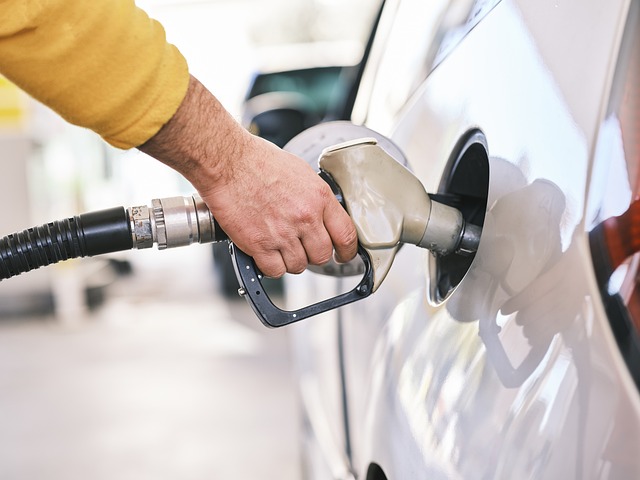
Automotive costs don’t move in a straight line anymore. One week, it feels like fuel prices jump overnight. The next, you see headlines about used
electric vehicles becoming more affordable. At the same time, many drivers are still facing the same frustrating reality at the service counter:
rising repair costs, longer wait times for certain parts, and more “technology steps” added to everyday repairs.
This combination—fuel price swings, shifting used EV values, and high-tech repair complexity—is shaping
real decisions for Canadian drivers:
- Should I keep my current car longer?
- Is it finally time to try a used EV or hybrid?
- How do I protect myself from a surprise $2,000–$5,000 repair bill?
There’s no single “best” answer for every household, but there is a reliable ownership strategy that works in almost any market:
prevent what you can with maintenance, reduce downtime and escalation by acting early, and
protect your budget with an extended auto warranty in Canada—especially once you’re approaching the end of factory coverage.
If your plan includes transfer options, it can also support transferable warranty resale value (where plan terms allow), which helps when buyers
worry about modern repair costs.
What drivers are seeing right now: three market forces colliding
Even without following the auto industry closely, you can feel the impact of these three forces:
- Fuel prices can swing quickly: which changes the cost of commuting and makes fuel efficiency more valuable.
- Used EV prices have softened: making EVs more accessible for buyers but creating resale uncertainty for some owners.
- Repair costs continue to rise: driven by parts pricing pressure, labor constraints, and the growing complexity of modern vehicles.
This matters because it changes what “smart ownership” looks like. In a stable market, you might simply trade in every few years. In a less stable
market, it often makes sense to keep a vehicle longer—but only if you can control repair risk.
Used EV prices are down: good news (with a catch)
The used EV market has become a major entry point for buyers who want the benefits of driving electric without the higher cost of buying new. As more
off-lease inventory enters the market and technology evolves, some used EVs have become significantly more affordable than many shoppers expect.
But affordability comes with a planning requirement: buyers and owners need a clear approach to total cost of ownership.
EVs can reduce certain routine maintenance items, but they can still face expensive repairs—especially for electronics, sensors, and cooling systems.
And like tech products, some EVs depreciate quickly as new models improve range and features.
Practical takeaway: if you’re buying used (EV or gas), the best deal is the one you can afford to maintain and repair—not just the one with the lowest sticker price.
Fuel prices are up: why “operating cost” matters more than ever
When fuel costs rise, many drivers start doing math they may have ignored before:
- What does my commute cost per week?
- Would a hybrid reduce my fuel bill enough to matter?
- Would an EV reduce my operating cost—if I can charge conveniently?
Rising fuel costs can push shoppers toward more efficient vehicles. But there’s an important caution: it’s easy to focus on fuel savings and forget
that modern vehicles—efficient or not—can still produce expensive repair bills. That’s why operating-cost planning should include:
fuel/energy cost + maintenance + repair risk.
Why repairs cost more now (and why it’s often a “labor + process” story)
Many drivers assume repairs are more expensive mainly because parts cost more. Parts do matter—but the bigger shift is that repair work has become more
specialized. Modern cars are “rolling computers,” and many repairs now include steps that didn’t exist for older vehicles:
- Pre-scan and post-scan diagnostics: to confirm the problem and verify the fix.
- Programming and module setup: when certain components are replaced.
- Calibration and verification: especially when safety systems are involved.
- Higher labor rates: skilled technician time is valuable and increasingly in demand.
In plain language: you’re often paying for procedures and expertise as much as the part itself.
ADAS calibration: the hidden reason “simple repairs” can get expensive
ADAS (Advanced Driver Assistance Systems) includes features like lane-keeping assist, adaptive cruise control, blind-spot monitoring, automatic emergency braking,
and camera-based parking systems. These features improve safety, but they also increase repair steps because cameras and sensors must be aligned correctly.
Many vehicles require ADAS calibration after repairs such as:
- Windshield replacement (front camera calibration)
- Front bumper or grille repairs (radar/sensor alignment)
- Camera, radar, or sensor replacement
- Some suspension or alignment work (vehicle-dependent)
This is one of the most common reasons drivers experience “sticker shock.” The repair isn’t only the physical replacement—it’s also the testing and
validation steps required to restore safety features properly.
A smart ownership strategy: maintain, document, and protect your downside
When market conditions feel unpredictable, your best move is to make your personal plan predictable. A practical approach:
- Maintain high-impact systems to reduce breakdown risk.
- Fix small issues early so they don’t escalate into major repairs.
- Keep service records to protect resale value and simplify future diagnosis.
- Reduce financial shock from major failures with an extended warranty plan that fits how long you plan to keep the vehicle.
This also supports transferable warranty resale value (where plan terms allow). If your coverage can be transferred when you sell,
it can increase buyer confidence—especially in a market where shoppers worry about costly high-tech repairs.
Preventive maintenance checklist (high impact, easy to follow)
The goal isn’t to over-maintain. The goal is to prevent expensive “cascade failures” and reduce the odds of being stranded.
Use this checklist as a simple routine.
- Oil and filter (gas/hybrid): follow the manufacturer schedule and use the correct oil specification (not just viscosity).
- Cooling system checks (all vehicles): monitor coolant levels; address slow leaks early to prevent overheating or thermal-management problems.
- Transmission health (gas/hybrid): ask about fluid condition checks; service needs vary by vehicle and driving conditions.
- Brakes: inspect pads/rotors; in winter climates, ensure calipers and hardware are serviced to prevent sticking.
- Brake fluid: replace as recommended; moisture contamination reduces braking performance over time.
- Tires: maintain PSI, rotate regularly, and correct alignment issues early to avoid premature replacement.
- 12V battery (all vehicles, including EVs): test annually; weak 12V batteries cause no-start events and confusing electrical symptoms.
- Filters: cabin air filters protect HVAC performance; engine air filters (if applicable) support efficiency.
- Don’t ignore warning lights: diagnosing early is almost always cheaper than waiting for a breakdown.
Small issues vs. big bills: common repair escalations
| Early warning sign | If ignored | Why it gets expensive |
|---|---|---|
| Slow coolant loss | Overheating / thermal-management failure | Heat-related damage can cascade into major repairs and downtime |
| Intermittent warning light | Limp mode or no-start event | More diagnosis time + potential sensor/module replacement and programming |
| Brake vibration or squeal | Rotor/caliper damage | More parts replaced than a basic pad service |
| Uneven tire wear | Premature tire replacement | Tires add up fast; alignment issues compound wear |
| Windshield crack on an ADAS-equipped vehicle | Calibration needed after replacement | Added calibration and verification steps beyond the glass itself |
With vs. without an extended warranty: what changes financially
Preventive maintenance reduces risk, but it won’t eliminate unpredictable failures—especially as vehicles age and rely more on electronics.
An extended auto warranty in Canada can help reduce your out-of-pocket exposure for covered repairs and make ownership costs more predictable.
| Scenario | Without extended warranty | With extended warranty (where covered) |
|---|---|---|
| Major repair after factory warranty | Full cost of parts + labor + diagnostics (and possible programming) | Covered repairs may reduce out-of-pocket costs (plan terms apply) |
| Keeping your car longer | Repair risk increases as mileage climbs | Coverage supports long-term ownership planning |
| Selling later | Buyers worry about expensive repairs | Transferable warranty resale value may increase buyer confidence (if transferable) |
| Budget stability | Repairs arrive as financial shocks | More predictable ownership budgeting |
To explore coverage options, start here:
Warranty Packages.
For pricing based on your vehicle and mileage:
Request a Quote.
Prefer to speak with someone first?
Contact A-Protect Warranty.
How to protect yourself from rising repair costs (simple steps)
- Build a predictable maintenance routine: focus on cooling, tires, brakes, and battery health.
- Fix issues early: warning lights and small symptoms are cheaper at the beginning.
- Expect modern procedures: scans, programming, and ADAS calibration can be normal.
- Protect your downside: consider extended warranty coverage for expensive covered failures.
- Keep records: service history supports resale value and reduces future diagnostic guesswork.
References:
- Market reporting on rising gas prices and increased interest in electrified vehicles
- Summary of reporting on used EV price declines and growth in the pre-owned EV market
- Government consultation background on counter-tariffs and the automotive remission framework
- Industry discussion on repair-data access and cost impacts for drivers