


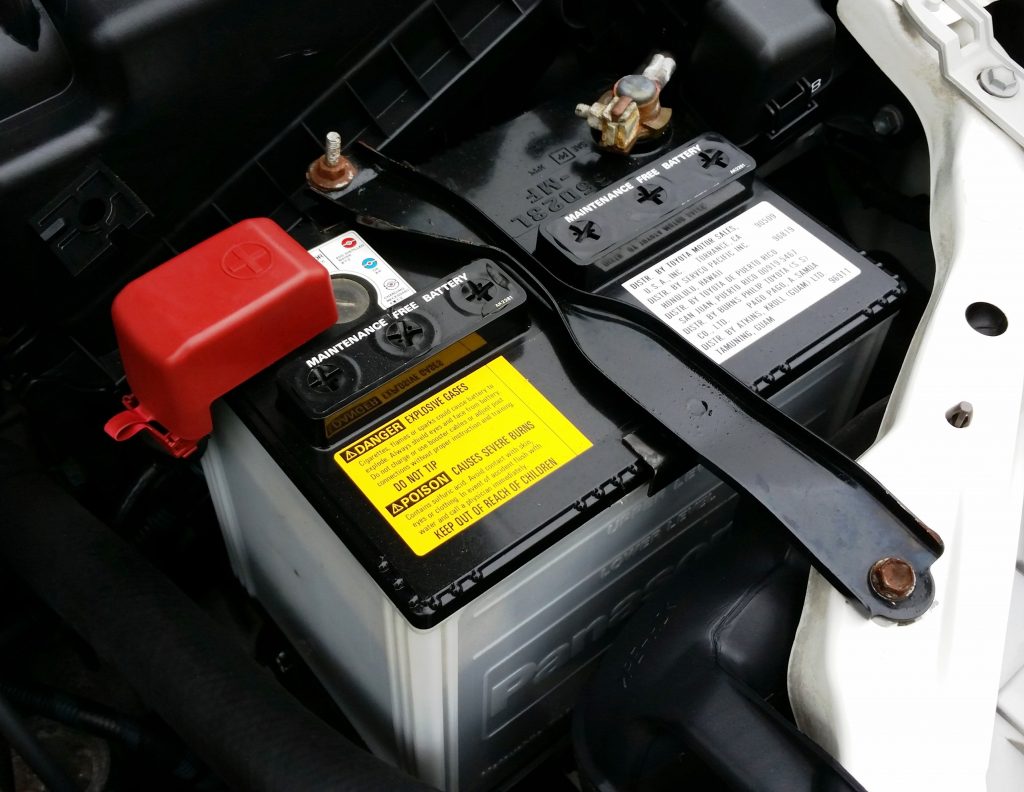
A weak 12-volt battery used to mean a jump-start and a $200 replacement. On today’s vehicles it can disable the engine, scramble control modules, prevent keyless entry, and—on hybrids and EVs—trigger faults in high-voltage systems that cost thousands to diagnose and repair.
Modern cars are computers on wheels. Body control modules, engine and transmission controllers, ADAS cameras, and hybrid power electronics all depend on stable 12-volt power. Canadian winters reduce battery capacity, short trips never fully recharge the battery, and parasitic drains from always-on electronics make failures more common. The result is another clear example of rising repair costs: what looks like a simple battery issue often expands into module programming, sensor replacement, or specialized hybrid diagnostics.
This guide explains how 12-volt systems fail on current vehicles, which symptoms to take seriously, a practical maintenance checklist, and how an extended auto warranty in Canada can cover listed electrical and control-module failures once the factory warranty ends—while also supporting transferable warranty resale value.
Why 12-Volt Batteries Fail More Often on Newer Vehicles
Start-stop systems, multiple control modules, cameras, and infotainment keep drawing power even when the car is off. Hybrids and EVs add another layer: the 12-volt battery still powers the computers that manage the high-voltage pack. A weak 12-volt battery can cause the hybrid system to refuse to start or set faults that require expensive diagnosis.
Cold weather is especially hard. At freezing temperatures a battery can lose a large portion of its cranking power. Short winter commutes mean the alternator or DC-DC converter never fully restores charge. Corrosion on terminals and grounds creates voltage drops that confuse sensitive electronics even when the battery tests “okay” on a basic meter.
The practical outcome is that many “no-start,” “ghost” electrical problems, and warning-light cascades begin with a 12-volt battery that is past its prime or poorly connected.
Typical Costs When a Battery Problem Escalates
| Item | Typical cost (CAD) | Why the bill grows |
|---|---|---|
| 12-volt battery replacement (AGM / start-stop) | $280–$450 installed | Specialized batteries; some vehicles need registration or coding |
| Battery registration / coding after replacement | $50–$150 | Required on many European and hybrid models |
| Control module programming or replacement | $1,200–$1,800+ | Voltage spikes or prolonged low voltage can corrupt modules |
| ADAS camera or sensor plus calibration | $600–$4,000 | Low voltage can set faults that require recalibration |
| Hybrid / EV related diagnosis after 12-volt failure | $300–$1,500+ diagnostic | Specialized tools; possible related component replacement |
| Full electrical diagnosis for intermittent faults | $150–$400 | Time spent tracing grounds and parasitic drains |
A $350 battery that is ignored can become a multi-thousand-dollar module or diagnostic event. Insurance does not cover mechanical or electrical breakdowns of this type.
With Coverage vs. Without
| Scenario | No warranty | With broader electrical / high-tech coverage (example $1,000 deductible) |
|---|---|---|
| Control module replacement at $1,500 | Pay $1,500 | Listed modules may be covered after authorization |
| ADAS sensor fault requiring calibration at $1,200 | Pay $1,200 | Covered if the sensor or related electronics are listed |
| Battery itself | Owner-paid wear item | Usually excluded; the downstream module damage may still be eligible |
| Selling the vehicle later | Buyer fears electrical gremlins | Remaining transferable coverage reduces perceived risk |
Many powertrain-only plans exclude most electronics. Higher tiers that list control modules, sensors, and electrical components are the relevant option for modern vehicles. Compare details on the warranty packages page and request a quote with your exact vehicle.
Symptoms That Point to 12-Volt or Electrical Issues
- Slow cranking or multiple attempts needed to start, especially in cold weather
- Random warning lights that clear after a restart
- Keyless entry or push-button start that fails intermittently
- Infotainment screen that freezes or reboots
- Hybrid or EV that will not “ready” even though the high-voltage system appears fine
- Parasitic drain that leaves the battery dead after a few days of sitting
- Corroded or loose battery terminals and ground straps
Address these early. A simple load test and terminal cleaning often prevent the cascade into module faults.
Electrical and Battery Maintenance Checklist
Before and during cold season
- Load-test the 12-volt battery. A marginal battery fails first in winter.
- Clean and tighten battery terminals and main ground connections.
- Confirm the battery is the correct AGM or start-stop type for the vehicle.
- If the vehicle sits for long periods, use a quality maintainer (trickle charger) designed for modern batteries.
At every service visit
- Ask the shop to check battery health and charging-system voltage.
- Scan for stored codes even if no light is currently on.
- Inspect for corrosion on grounds and battery tray.
- Note any recent software updates; some updates address electrical or charging behaviour.
After any electrical repair or battery replacement
- Confirm the new battery was registered or coded if the vehicle requires it.
- Clear codes and verify systems (ADAS, hybrid ready, keyless) function normally.
- Keep the invoice showing battery type and any programming performed.
A clean service file helps both warranty claims and future resale.
How to Protect Yourself From Rising Repair Costs
- Test the 12-volt battery every fall and replace it proactively if weak.
- Keep terminals and grounds clean. Voltage drops create phantom faults.
- Do not ignore intermittent electrical symptoms. They often precede module issues.
- Choose extended coverage that lists electrical components and control modules if your vehicle is electronics-heavy.
- Understand that the battery itself is usually a wear item while downstream module damage may be covered.
- Confirm transfer rules so remaining coverage still has value at resale.
For guidance on whether your specific vehicle’s modules and sensors are listed, contact A-Protect Warranty.
What Extended Warranties Usually Cover
Broader packages may include listed control modules, sensors, wiring-related failures (within limits), and certain high-tech components. The 12-volt battery itself, fuses, and bulbs are almost always excluded as wear or maintenance items. Claims require prior authorization and proof of reasonable care. Pre-existing electrical problems are excluded, so enroll while the vehicle starts and operates normally.
Resale Considerations
Buyers of late-model used vehicles worry about electronic reliability. A recent battery replacement with records, plus remaining transferable coverage on listed modules, reduces that concern. It will not hide an active parasitic drain, but it strengthens the overall ownership story.
A Realistic Scenario
A five-year-old hybrid crossover sits for two weeks in winter. The 12-volt battery is weak. On the next start attempt the hybrid system sets multiple faults and will not enter ready mode. Diagnosis reveals a failing battery that caused a control-module communication error. Battery replacement plus module programming and calibration exceeds $1,800.
A fall load test and proactive battery replacement would have avoided most of the cost. An extended plan listing the module would have limited the owner’s exposure if the electronics still needed attention. Both habits matter.
Frequently Asked Questions
Why do hybrids and EVs have more 12-volt battery problems?
The 12-volt system still powers the computers that control the high-voltage pack. Modern electronics and start-stop or always-on features increase the load. Cold weather and short trips make failures more likely.
Does an extended auto warranty in Canada cover control modules?
On broader packages, listed control modules and many electrical components are often covered. Powertrain-only plans usually exclude them. Confirm the schedule for your vehicle.
Is the 12-volt battery itself covered?
Almost never. Batteries are treated as wear items. Downstream damage to listed modules caused by a failed battery may still be eligible if the contract language allows it.
Can a weak battery damage other electronics?
Yes. Low voltage or voltage spikes during jump-starts or failed charging can corrupt module memory or set faults that require programming or replacement.
How often should I test the battery?
At least once a year, preferably before winter. Load-test rather than relying only on a voltage reading.
Will transferable coverage help sell a vehicle with recent electrical work?
It can. Buyers prefer documented repairs plus remaining protection on listed components over an “as-is” electronics risk.
The Bottom Line
The 12-volt battery remains the foundation of every modern vehicle’s electrical system. Neglect it and the cascade into modules, sensors, and hybrid diagnostics becomes expensive. Proactive testing, clean connections, and an extended plan that covers the electronics you actually have turn an unpredictable risk into a manageable one.
Compare A-Protect warranty packages, request a quote, or contact the team before the next cold morning turns a weak battery into a four-figure diagnostic event.