


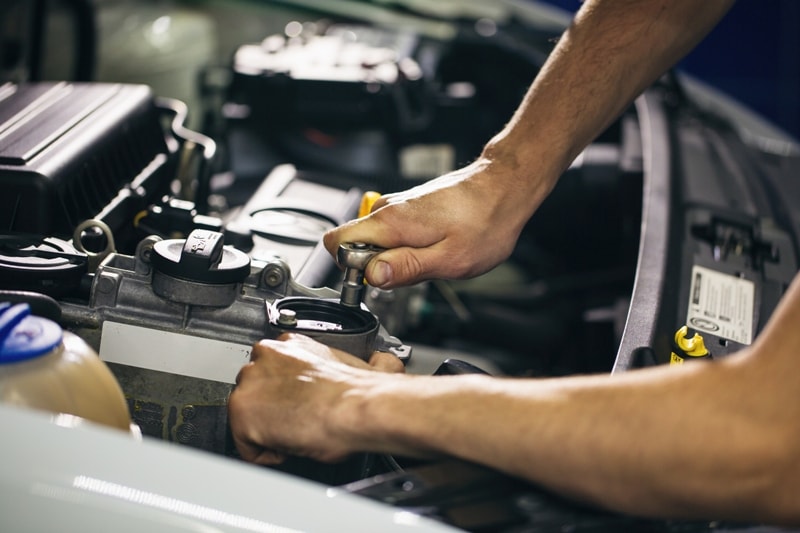
When a vehicle needs repairs, one of the most common questions is whether to use Original Equipment Manufacturer (OEM) parts or aftermarket alternatives. For drivers with an extended auto warranty, the choice can affect claim approval, repair quality, and long-term reliability. Understanding the differences helps Canadian vehicle owners make informed decisions and protect their coverage.
This guide explains the key differences between OEM and aftermarket parts, how they relate to extended warranty claims, maintenance best practices, and why choosing the right parts supports both vehicle performance and warranty protection.
What Are OEM Parts?
OEM parts are manufactured by the same company that supplied the original components for your vehicle, or by a supplier authorized by the vehicle manufacturer. They are designed to meet the exact specifications of the original part.
Advantages of OEM parts typically include:
- Precise fit and performance matching the original design
- Consistent quality control standards
- Strong compatibility with vehicle systems and electronics
- Often preferred or required by some warranty providers for certain repairs
What Are Aftermarket Parts?
Aftermarket parts are produced by third-party companies. Quality can range from excellent to poor depending on the brand and manufacturing standards.
Potential advantages include:
- Lower cost in many cases
- Wider availability for older vehicles
- Sometimes improved designs or materials
However, lower-quality aftermarket parts can lead to premature failure, poor fitment, or issues with electronic systems.
How Part Choice Affects Extended Warranty Claims
Most extended warranty contracts require that repairs use parts of appropriate quality. Some plans specifically require OEM or equivalent-quality parts for coverage to remain valid.
| Aspect | OEM Parts | Aftermarket Parts |
|---|---|---|
| Fit & Compatibility | Excellent | Varies by brand |
| Warranty Claim Acceptance | Generally preferred | Accepted if quality is equivalent (check contract) |
| Long-Term Reliability | High consistency | Depends on manufacturer |
| Cost | Usually higher | Often lower |
| Availability | Good for most vehicles | Often better for older models |
Always review your specific warranty contract. Using low-quality parts can sometimes lead to claim denials or reduced coverage on related future failures.
Review A-Protect Warranty plans and their parts requirements.
Maintenance Best Practices Related to Parts Quality
Regardless of whether you use OEM or high-quality aftermarket parts, consistent maintenance remains essential:
| Task | Frequency | Parts Consideration |
|---|---|---|
| Oil & Filter Changes | Every 5,000–8,000 km | Use quality filters that meet specifications |
| Brake Service | As needed / every 10,000 km inspection | Quality pads and rotors improve safety and longevity |
| Timing Components | Per manufacturer schedule | OEM or equivalent highly recommended |
| Sensors & Electronics | As failures occur | OEM often preferred for compatibility |
| Fluids | Per schedule | Use manufacturer-specified or equivalent fluids |
Keeping detailed invoices that show the brand and quality of parts used strengthens future warranty claims.
Cost and Value Considerations
While aftermarket parts can reduce the immediate repair cost, repeated failures due to lower quality can increase long-term expenses. For major components covered by an extended warranty, the warranty provider often determines the type of part used and covers the cost (minus any deductible).
| Repair Type | Typical Approach with Extended Warranty | Owner Impact |
|---|---|---|
| Major Powertrain Repair | Usually OEM or high-quality equivalent | Deductible only |
| Sensors / Modules | Often OEM preferred | Covered when authorized |
| Wear Items (not covered) | Owner choice | Full cost to owner |
Tips for Extended Warranty Holders
- Read the parts section of your warranty contract carefully
- Ask the repair facility what type of parts will be used before work begins
- Keep all invoices showing part brands and quality
- Choose reputable repair shops familiar with warranty procedures
- Contact your warranty provider if you have questions about acceptable parts
Request a free quote and choose coverage with clear, fair parts policies.
FAQ
Choosing the right parts is an important part of responsible vehicle ownership and successful warranty claims. Whether OEM or high-quality aftermarket, prioritizing quality and following your warranty guidelines helps keep your vehicle reliable and your coverage intact.
Protect your vehicle with clear, reliable coverage. Get a free quote today or contact A-Protect Warranty for plans with transparent parts and claims policies.