


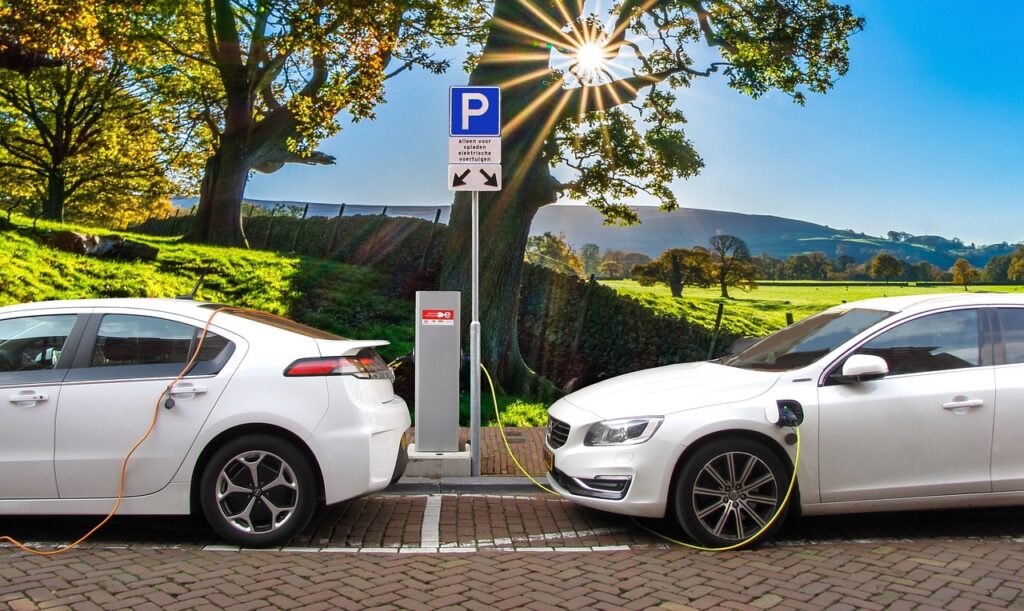
Many Canadian drivers are facing a “triple squeeze” that’s changing the way people shop for vehicles and plan their budgets: fuel prices can rise
fast, used EV prices have softened in many segments, and repair bills keep climbing as vehicles become more complex. Even if you’re a careful driver,
a single unexpected repair can turn into a major expense—especially when diagnostic scanning, programming, and calibration are part of the process.
The smartest response isn’t to chase headlines or constantly change vehicles. It’s to build a plan that works in any market:
prevent what you can with maintenance, act early to avoid repair escalation, and
protect your downside with an extended auto warranty in Canada—especially if you plan to keep your vehicle longer
than the factory coverage period. If your plan is transferable (depending on plan terms), it can also support
transferable warranty resale value by increasing buyer confidence when you sell later.
Why these “March realities” matter for your wallet
When fuel prices jump, consumer interest often shifts toward electrified vehicles (hybrids, plug-in hybrids, and EVs). At the same time, used EV
prices have softened in many areas, creating real opportunities for buyers. But repair costs are still rising, and modern vehicles—gas or electric—
are more dependent on expensive electronics and safety systems than ever. ([forbes.com](https://www.forbes.com/sites/jimgorzelany/2026/03/12/with-used-ev-prices-dropping-and-gas-prices-rising-its-a-great-time-to-go-electric/?utm_source=openai))
The key point: buying a more efficient vehicle can lower operating cost, but it doesn’t eliminate repair risk. Ownership cost is a
combination of fuel/energy, predictable maintenance, and unpredictable repairs.
Fuel price volatility: why efficiency becomes urgent (but planning still matters)
Rapid increases at the pump can change your weekly budget immediately—especially for commuters and families with multiple drivers. It also changes
how shoppers research vehicles: data from major shopping platforms shows increased consumer attention toward electrified vehicles when fuel prices rise. ([edmunds.com](https://www.edmunds.com/car-news/electrified-vehicle-research-gas-prices-data.html?utm_source=openai))
But a common mistake is focusing only on fuel savings. A more complete approach is to break ownership cost into three buckets:
| Cost Bucket | What it includes | What changes quickly |
|---|---|---|
| Fuel / energy | Gasoline, electricity, charging fees | Can swing fast based on market conditions |
| Maintenance | Fluids, tires, brakes, filters, inspections | Usually predictable if you follow a schedule |
| Repair risk | Unexpected failures and major repairs | Hard to predict—especially after factory warranty ends |
Efficiency helps in bucket #1. Maintenance helps in bucket #2. But bucket #3 is where budgets get hit hardest—and where extended warranty planning
becomes especially valuable.
Used EV prices are dropping: the opportunity (and the catch)
Many reports point to a growing flow of off-lease EVs entering the used market, along with softer demand in some segments. That combination can
create a buyer’s market for used EVs—meaning lower entry prices than many people expect. ([forbes.com](https://www.forbes.com/sites/jimgorzelany/2026/03/12/with-used-ev-prices-dropping-and-gas-prices-rising-its-a-great-time-to-go-electric/?utm_source=openai))
This is excellent if you’re buying. But it’s also a reminder: resale values can shift quickly, especially in a technology-driven
category like EVs. If resale feels uncertain, many owners choose a logical strategy—keep the vehicle longer and get more value out of it.
Keeping a vehicle longer can be a smart financial decision, but only if you have a plan for higher-mileage repairs and downtime.
Trade uncertainty and tariffs: how it can show up as parts cost and downtime
Trade policy rarely shows up on a repair invoice, but it can influence the supply chain. Industry reporting in Canada has highlighted ongoing
trade uncertainty and cost pressure in the automotive sector, with a major focus on reinforcing supply chains and optimizing costs. ([kpmg.com](https://kpmg.com/ca/en/media/2026/02/trade-uncertainty-reshapes-canadas-auto-sector.html?utm_source=openai))
For drivers, the practical impact often looks like:
- Parts pricing pressure on certain categories of components
- Longer lead times or backorders on specialized parts
- More downtime, which can add indirect costs (rentals, rideshare, missed work)
This is one reason budgeting for “repair timing risk” matters now more than ever.
Why repair bills are rising: it’s often “procedure cost,” not just parts
Modern repairs often include steps that didn’t exist for older vehicles. Even routine repairs can involve:
- Pre- and post-repair diagnostic scans
- Programming, coding, and relearns after component replacement
- ADAS calibration after windshield, front-end, sensor, or alignment-related work
In other words, your invoice can grow because the vehicle needs validation and setup steps to restore full function—not only because a part is expensive.
ADAS calibration: the “hidden line item” many drivers don’t expect
ADAS (Advanced Driver Assistance Systems) includes lane-keeping assist, adaptive cruise control, automatic emergency braking, blind-spot monitoring,
and parking camera systems. These features can enhance safety, but they require precision.
Many vehicles require ADAS calibration after repairs such as:
- Windshield replacement (front camera calibration)
- Front bumper or grille repairs (radar/sensor alignment)
- Camera/radar/sensor replacement
- Some alignments and suspension work (vehicle-dependent)
Published cost ranges vary widely by system and vehicle. Some guides cite typical ranges from a few hundred dollars to well over $1,000 for multi-system
or full-suite calibration scenarios. ([calibratesync.com](https://calibratesync.com/blog/adas-calibration-cost-guide-2026?utm_source=openai))
Maintenance that actually reduces expensive repair risk (simple, high-impact)
Preventive maintenance won’t eliminate every failure, but it reduces the chance of the worst “cascade” problems—where a small issue becomes a major
repair. Here’s a checklist designed for real-world Canadian ownership.
Preventive maintenance checklist (save this)
- Oil and filter (gas/hybrid): follow your owner’s manual and use the correct oil specification.
- Cooling system (all vehicles): check coolant level regularly; address slow leaks early.
- Transmission service (gas/hybrid): ask about fluid condition checks; service needs vary by driving conditions.
- Brakes: inspect pads/rotors; don’t wait for grinding.
- Brake fluid: replace as recommended; moisture contamination reduces performance over time.
- Tires: maintain PSI, rotate consistently, and correct alignment issues early.
- 12V battery (including EVs): test annually; weak 12V batteries can cause no-start events and electrical glitches.
- Filters: replace cabin air filter to protect HVAC performance; replace engine air filter (if applicable) for efficiency.
- Scan early: don’t ignore warning lights—early diagnosis is usually cheaper.
Small symptom vs. big bill: common escalations to avoid
| Early warning sign | If ignored | Why it gets expensive |
|---|---|---|
| Slow coolant loss | Overheating / thermal-management failure | Heat damage can cascade into major repairs and downtime |
| Intermittent warning light | Limp mode or no-start event | More diagnosis time + possible module/sensor replacement and programming |
| Brake squeal or vibration | Rotor/caliper damage | More parts replaced than a basic pad service |
| Uneven tire wear | Premature tire replacement | Tires add up fast; alignment issues compound wear |
| Windshield crack on an ADAS vehicle | Calibration needed after replacement | Added calibration/verification steps beyond the glass itself |
With vs. without an extended warranty: budgeting for the unpredictable
Preventive maintenance reduces risk, but it won’t eliminate surprise failures—especially electronics-related repairs. This is where an
extended auto warranty in Canada can help reduce out-of-pocket exposure for covered repairs and improve budget predictability.
| Scenario | Without extended warranty | With extended warranty (where covered) |
|---|---|---|
| Major repair after factory warranty | Full parts + labor + diagnostics (and possible programming) | Covered repairs may reduce out-of-pocket costs (plan terms apply) |
| Keeping your vehicle longer | Repair risk rises with mileage and age | Coverage supports long-term ownership planning |
| Selling later | Buyers worry about expensive repairs | Transferable warranty resale value may increase buyer confidence (if transferable) |
| Budget stability | Repairs arrive as financial shocks | More predictable ownership budgeting |
To explore protection options, review:
Warranty Packages.
For pricing based on your vehicle details:
Request a Quote.
Prefer to speak with someone first?
Contact A-Protect Warranty.
How to protect yourself from rising repair costs (simple steps)
- Track total ownership cost: fuel/energy, maintenance, and repair risk.
- Make maintenance predictable: cooling system checks, tires, brakes, and battery health.
- Act early: warning lights and small symptoms are cheaper at the beginning.
- Expect modern procedures: diagnostics, programming, and ADAS calibration may be normal.
- Protect your downside: consider extended warranty coverage for expensive covered repairs.
- Keep records: service history supports resale confidence and future decisions.
References:
- Fuel prices and increased shopper interest in electrified vehicles (shopping data)
- Used EV supply and affordability trends
- Used EV pricing shifts by segment and model
- Canadian auto sector trade uncertainty and supply-chain cost pressure
- ADAS calibration cost ranges and drivers of calibration expense