


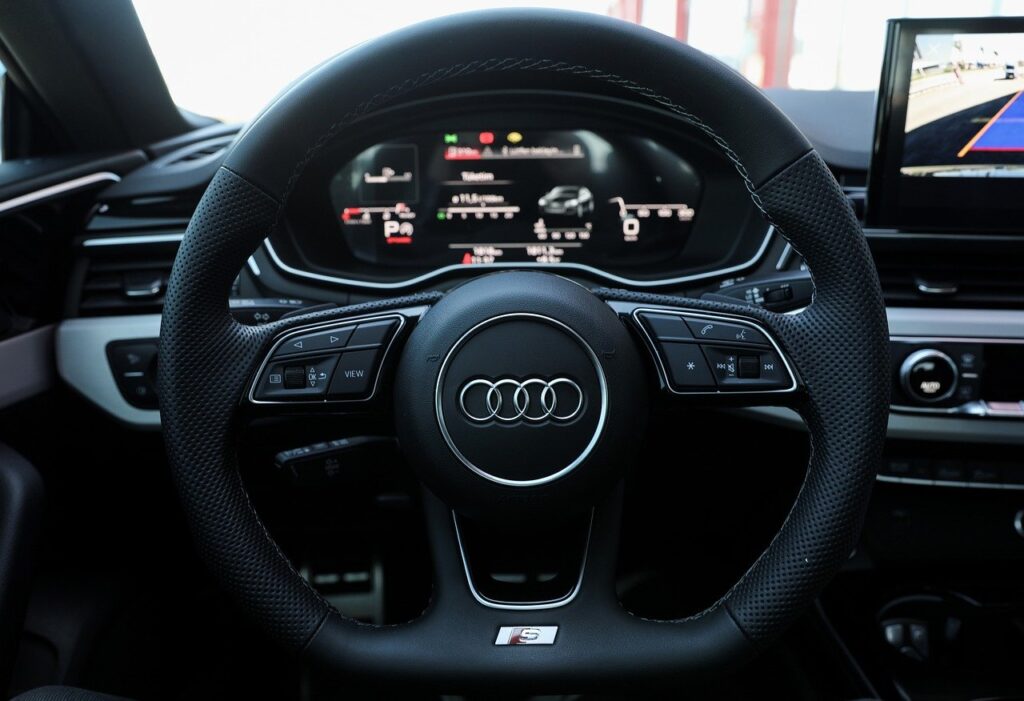
Car ownership used to be mostly mechanical: if something felt off, a technician could usually diagnose it with experience, a few tools, and a short
test drive. Today, vehicles are more capable—and more complicated. Modern cars and SUVs are rolling networks of computers, sensors, and software.
That shift is changing what Canadian drivers pay for repairs, how long repairs take, and where repairs can be done.
Two industry trends are driving this new reality:
Right to Repair and repair-data access (who can access your vehicle’s diagnostic information and tools), and the rapid growth of
ADAS calibrations (the calibration of cameras and sensors after certain repairs). At the same time, parts prices and labor rates
remain under pressure—so even a “normal” repair can quickly become a budget event.
The good news: you can reduce your risk with a simple approach—strong preventive maintenance, early diagnosis, and an
extended auto warranty in Canada to help manage the cost of unexpected covered failures. If your plan includes transfer options,
it can also support transferable warranty resale value, which matters when buyers worry about modern high-tech repairs.
What “data-driven repairs” mean for everyday drivers
Many repairs now start with a scan, not a wrench. Vehicles continuously track system performance and store diagnostic trouble codes, sensor readings,
and event data. That data helps technicians pinpoint problems faster—but only if they can access the information and the tools needed to complete the
repair properly.
In Canada, industry groups have argued that limited or delayed access to vehicle repair and maintenance data can reduce consumer choice and
increase costs—especially for drivers who rely on independent repair shops. Independent shops may be fully capable of doing the work, but modern
vehicles can require specific data access, software procedures, or tools that aren’t always readily available. When that happens, drivers may be
pushed toward fewer service options, often at higher prices or with longer wait times.
Right to Repair in Canada: why it’s connected to repair prices
“Right to Repair” is often discussed as a policy topic, but the real-world impact is straightforward:
the easier it is for qualified repairers to access the correct information and tools, the more options you have.
More options can mean more competition, more convenience, and (often) better pricing.
Recent reporting and industry analysis have highlighted concerns that when repair-data access is restricted, it can push drivers to dealerships for
certain procedures. This can be especially challenging for rural communities where the nearest dealership may be far away, or where appointment
availability is limited. Some studies also suggest drivers could save meaningful amounts on common repairs when independent shops have timely access to
data and when reputable aftermarket parts are an option.
As these discussions continue across Canada and the U.S., the practical takeaway for drivers is to assume that repair access and software procedures
will remain a factor in repair pricing and turnaround time.
ADAS calibrations: the “invisible line item” that can raise repair bills
ADAS (Advanced Driver Assistance Systems) includes features like lane-keeping assist, adaptive cruise control, blind-spot monitoring, automatic
emergency braking, parking sensors, and 360° camera systems. These features rely on cameras and sensors that must be aligned correctly to work
properly.
After certain repairs, manufacturers often require calibration to ensure those systems are accurate. That calibration can be required
even when the repair seems unrelated—because moving a camera, replacing a windshield, or adjusting suspension geometry can affect what the system sees.
Repairs that often trigger calibration
- Windshield replacement (front camera calibration is common)
- Front bumper or grille repairs (radar and sensor alignment)
- Collision repairs (post-repair scan + calibration verification)
- Wheel alignment or suspension work (some vehicles require resets/calibrations afterward)
- Camera/radar/sensor replacement (calibration is typically required)
Calibration cost ranges vary by vehicle and the specific systems involved. In many cases, you’re paying for specialized equipment, controlled setup,
and technician time—not just a simple “reset.” That’s why ADAS-related steps can meaningfully increase a repair estimate.
Why modern repairs take longer (and why that matters)
Higher bills are painful, but longer downtime can be just as disruptive. When a repair requires parts ordering, software access, programming steps,
and calibration scheduling, the vehicle may sit longer than it would have a few years ago. For busy households, that can mean:
- More days arranging rides
- Higher rental or alternate transportation costs
- More “decision pressure” (sell the vehicle vs. repair it)
This is one reason more drivers prefer predictable ownership planning: maintain proactively, address issues early, and consider extended coverage
before an expensive repair shows up.
Preventive maintenance that reduces high-cost surprises (simple but high-impact)
Preventive maintenance won’t eliminate every breakdown—but it significantly reduces the odds of the worst ones. The goal is to protect the systems
that can cause the biggest bills and the longest downtime.
Maintenance checklist (for gas, hybrid, and EV owners)
- Fluids and cooling systems: check coolant levels regularly; follow service intervals for coolant replacement where recommended. Thermal issues can cascade into major repairs.
- Battery health (12V): test the 12V battery at least annually. A weak 12V battery can cause “mystery” electrical issues—even in EVs.
- Tires: maintain correct tire pressure, rotate on schedule, and address alignment issues early to avoid premature tire replacement.
- Brakes: inspect pads and rotors; in winter climates, ensure caliper pins and hardware are serviced to prevent sticking.
- Filters: replace cabin air filters to protect HVAC performance; replace engine air filters (if applicable) to support efficiency.
- Address warning lights early: a quick scan early can prevent a bigger failure later.
- Keep service records: this helps with resale value and makes it easier to diagnose patterns over time.
Real-world “repair escalations” to avoid
| Early symptom | If ignored | Why it becomes expensive |
|---|---|---|
| Small coolant loss | Overheating / thermal management issues | Heat-related damage can cascade into major component failure |
| Intermittent warning light | Limp mode, no-start day, drivability issues | Diagnosis + possible module/sensor replacement + programming |
| Brake vibration or squeal | Rotor damage, caliper issues | More parts replaced than a simple pad job |
| Uneven tire wear | Premature tire replacement | Tires add up quickly; alignment and suspension issues compound wear |
| Windshield crack on an ADAS-equipped vehicle | Calibration required after replacement | Added calibration/verification steps beyond the glass |
With vs. without an extended warranty: planning for modern repair risk
In a data-driven repair world, the biggest cost surprises often come from failures you can’t schedule: electronics, sensors, modules, and other
expensive components. That’s where an extended warranty can help—by reducing your out-of-pocket exposure for covered repairs and making ownership
costs more predictable.
| Situation | Without extended warranty | With extended warranty (where covered) |
|---|---|---|
| Unexpected electronics/module failure | Full cost of parts + labor + diagnostics/programming | Covered repairs may reduce out-of-pocket costs (plan terms apply) |
| Repair timing pressure | Drivers may delay repairs due to cost | Coverage can help drivers fix issues sooner, reducing escalation risk |
| Keeping a vehicle longer | Repair risk increases as mileage climbs | Helps support long-term ownership planning |
| Resale concerns | Buyers worry about high-tech repairs | Transferable warranty resale value can increase buyer confidence (if transferable) |
If you’re comparing options, start by reviewing coverage levels:
Warranty Packages.
For pricing based on your vehicle and mileage, use:
Request a Quote.
How to protect yourself from rising repair costs (simple step-by-step)
- Prevent the predictable: keep up with fluids, tires, brakes, and battery health.
- Scan early: warning lights are cheaper to diagnose early than after a breakdown.
- Expect calibration steps: ADAS-equipped vehicles may require calibration after certain repairs.
- Protect your budget: consider an extended auto warranty in Canada to reduce the impact of expensive covered failures.
- Keep records: maintenance history supports reliability and resale confidence.
Want help choosing the right level of coverage for your driving habits? Contact the team:
Contact A-Protect Warranty.
References:
These references provide additional background on the trends discussed above:
- Canadian Right to Repair affordability discussion
- Industry reporting on repair-data access and independent repair choice
- Report excerpt on Quebec’s right-to-repair law and policy context (PDF)
- Consumer overview of ADAS calibration steps and time requirements
- ADAS calibration cost range breakdown