


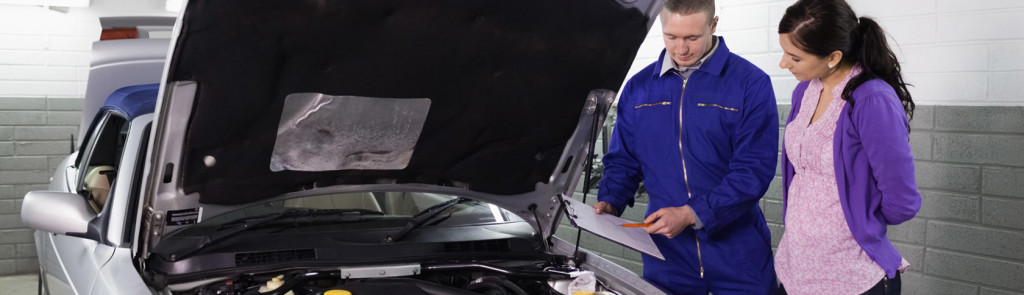
Vehicle ownership isn’t just about driving — it’s about maintaining. The difference between a reliable car that runs smoothly for 200,000 km and one that breaks down prematurely often comes down to one critical factor: preventive maintenance. Regular upkeep reduces repair frequency, extends component lifespan and, crucially, helps ensure your extended auto warranty in Canada remains valid and enforceable. This article provides a comprehensive preventive maintenance checklist, explains why each service matters, and shows how consistent maintenance protects both your vehicle and your warranty coverage. Whether you’re a new vehicle owner or managing a higher-mileage car, understanding and following a maintenance schedule is one of the smartest investments you can make.
Why preventive maintenance is your first line of defense against costly repairs
Preventive maintenance operates on a simple principle: small, inexpensive services today prevent big, expensive repairs tomorrow. Consider these real-world examples:
- Oil changes prevent engine damage — Clean oil costs $50–$150 per change. A damaged engine needing rebuild or replacement costs $4,000–$10,000+. Oil changes are preventive; engine rebuilds are catastrophic.
- Brake inspections prevent rotor damage — A brake pad replacement costs $200–$400. If you ignore brake wear and damage the rotors, the repair becomes $800–$1,500+.
- Coolant flushes prevent overheating — A coolant service costs $150–$300. Engine overheating can cause $3,000–$8,000 in damage.
- Transmission fluid service prevents failure — Regular transmission maintenance costs $200–$400. A transmission replacement can cost $5,000–$10,000+.
- Battery health checks prevent stranding — A battery replacement costs $100–$300. A dead battery on the highway can strand you far from help.
Preventive maintenance is mathematically simple: invest small amounts regularly to avoid large costs occasionally. This principle also applies to your extended auto warranty in Canada. Many warranties require proof of regular maintenance to remain valid. Skipping maintenance doesn’t just increase repair risk — it can jeopardize warranty coverage.
How warranty eligibility depends on maintenance records
Most extended auto warranties include a maintenance requirement clause. This means you must follow the manufacturer’s recommended maintenance schedule and keep documented proof (receipts) of all service performed. If a covered component fails and you can’t provide evidence of proper maintenance, the warranty provider may deny your claim.
Here’s a realistic scenario: Your transmission fails at 120,000 km and the repair is quoted at $8,000. Your extended warranty should cover it with a $1,000 deductible — a $7,000 savings. But if you can’t produce service records showing regular transmission fluid checks and changes, the warranty provider may question whether poor maintenance caused the failure. They could deny the claim entirely, leaving you responsible for the full $8,000.
Protecting your warranty means:
- Following the manufacturer’s service schedule exactly.
- Using authorized or certified repair shops.
- Keeping receipts for every service, no matter how small.
- Documenting dates, mileage and work performed.
- Using OEM (original equipment manufacturer) or approved parts.
Comprehensive preventive maintenance checklist by service interval
Below is a detailed maintenance checklist organized by service interval. Use this alongside your vehicle’s owner’s manual for manufacturer-specific recommendations.
Every 1,000–2,000 km or monthly
- Check tire pressure and condition — Proper pressure improves fuel efficiency and safety. Inspect for uneven wear, cracks or debris.
- Check all fluid levels — Engine oil, coolant, brake fluid, power steering fluid and windshield washer fluid. Top up as needed.
- Test all lights — Headlights, brake lights, turn signals and interior lights. Replace burnt-out bulbs immediately.
- Inspect wiper blades — Replace if streaking or skipping occurs.
Every 5,000–10,000 km or 3–6 months
- Oil and oil filter change — This is the most critical maintenance task. Regular oil changes reduce engine wear dramatically. Follow your manufacturer’s interval (some newer vehicles go longer between changes with synthetic oil).
- Rotate tires — Even tire wear extends tire life and improves handling. Rotation every 10,000 km is standard.
- Inspect brake pads — Check thickness. Many shops do this free with oil changes.
- Visual underbody inspection — Look for leaks, rust or damaged components.
Every 10,000–15,000 km or 6 months
- Wheel alignment check — Misalignment causes uneven tire wear and handling issues. Check if you notice the vehicle pulling to one side.
- Battery health check — Have the battery tested to ensure adequate charge and no corrosion on terminals.
- Suspension inspection — Check for worn shocks, struts or bushings that affect handling and comfort.
Every 20,000–30,000 km or 12 months
- Air filter replacement — A clean air filter improves engine efficiency and reduces strain on the engine.
- Brake fluid inspection — Brake fluid absorbs moisture over time. Have it tested and flushed if necessary (typically every 2 years).
- Cooling system inspection — Check for leaks, rust in the coolant and proper coolant concentration.
- Transmission fluid check — Verify level and condition. Red, clear fluid is healthy; brown or burnt-smelling fluid indicates problems.
Every 40,000–60,000 km or 24 months
- Cabin air filter replacement — Improves interior air quality. Check even if not yet at recommended interval if you drive in dusty conditions.
- Brake fluid flush — Replace brake fluid (typically every 2 years regardless of mileage) to maintain braking performance and safety.
- Power steering fluid check — Verify level and condition; check for leaks.
- Differential fluid check / change — For rear-wheel or all-wheel drive vehicles, verify differential fluid condition.
- Spark plug inspection — Check condition; replace if worn (varies widely by vehicle, 30,000–100,000 km+).
Every 80,000–100,000 km or 48 months (4 years)
- Transmission fluid flush and fill — Replace transmission fluid to reduce wear on internal components. For automatic transmissions, this is critical. Follow manufacturer intervals.
- Coolant flush and refill — Replace engine coolant to prevent corrosion and maintain cooling efficiency.
- Brake pad and rotor inspection — Assess wear and replace as needed. Rotors may need resurfacing or replacement.
- Suspension component replacement — Shocks or struts typically wear out around this interval on higher-mileage vehicles.
- Battery replacement (if needed) — Most batteries last 3–5 years; replace proactively rather than waiting for failure.
Every 160,000+ km or as needed
- Timing belt / chain inspection — Some vehicles require timing belt replacement (major expense, $500–$2,000). Check your owner’s manual; some newer vehicles have timing chains that last the life of the vehicle.
- Major component inspection — At higher mileage, components like the alternator, water pump and power steering pump should be inspected for wear.
- Exhaust system inspection — Check for rust, leaks or damage to catalytic converter and muffler.
Special maintenance for electric vehicles (EVs) and hybrids
Electric and hybrid vehicles have unique maintenance needs:
- Battery thermal management system checks — EVs have cooling systems for the high-voltage battery. Verify coolant levels and system function regularly.
- 12V battery maintenance — EVs still have a traditional 12V auxiliary battery that powers electronics. Monitor its health.
- Brake fluid checks — Regenerative braking reduces wear on traditional brakes, but brake fluid still needs regular inspection and replacement per schedule.
- Software updates — Install manufacturer OTA (over-the-air) or dealer updates to maintain battery management software and address known issues.
- Tire care — EVs are heavier than gas cars; tire wear may be faster. Regular rotation and alignment checks are especially important.
- Drive unit / motor inspection — Electric motors have fewer moving parts than traditional transmissions, but fluid levels and seals should be checked.
Building your personalized maintenance plan
Your vehicle’s specific maintenance needs depend on several factors:
- Manufacturer recommendations — Always start with your owner’s manual. Manufacturers design specific schedules for each model.
- Driving conditions — Vehicles driven in dusty, hot or cold climates may need more frequent air filter, coolant or brake service.
- Driving style — Aggressive driving with frequent braking and hard acceleration increases wear on brakes, transmission and suspension.
- Annual mileage — High-mileage drivers may need services sooner than the calendar interval suggests.
- Vehicle type — Trucks towing heavy loads, performance vehicles or luxury cars have specialized needs.
Create a simple spreadsheet or use your phone’s calendar to track service dates and mileage. Keep all receipts in a folder, both physical and digital copies. This documentation is essential for warranty claims and proves due diligence to warranty providers.
Preventive maintenance cost vs. repair cost: real examples
Below is a comparison showing how preventive maintenance investments prevent much larger repair expenses.
| System / component | Preventive maintenance cost | Emergency repair cost (if maintenance neglected) | Potential savings |
|---|---|---|---|
| Engine oil changes (annual) | $50–$150 | $4,000–$10,000 (engine damage) | $3,850–$9,850 |
| Brake pad replacement | $200–$400 | $800–$1,500 (rotor damage added) | $400–$1,100 |
| Transmission fluid service | $200–$400 | $5,000–$10,000 (transmission failure) | $4,600–$9,600 |
| Coolant flush (every 2 years) | $150–$300 | $2,000–$8,000 (engine overheating/corrosion) | $1,700–$7,700 |
| Tire rotation (per visit) | $25–$75 | $400–$800 (early tire replacement) | $325–$725 |
| Battery replacement (proactive) | $100–$300 | $100–$300 + towing + inconvenience (reactive) | Inconvenience + towing avoided |
| Suspension inspection (annual) | $50–$150 (free with some services) | $1,000–$3,000 (component replacement) | $850–$2,950 |
How an extended warranty supports your preventive maintenance strategy
An extended auto warranty in Canada works hand-in-hand with preventive maintenance. Here’s how:
- Warranty requires maintenance — Keeping up with maintenance preserves your warranty coverage. Skipping maintenance risks claim denial.
- Maintenance documents support claims — Service records prove you’ve maintained the vehicle properly, strengthening your warranty claim if a major component fails.
- Warranty covers major failures despite maintenance — Even well-maintained vehicles experience unexpected failures. An extended warranty covers these unforeseen costs.
- Maintenance reduces claim frequency — Good maintenance means fewer claims overall, keeping your out-of-pocket costs minimal.
- Combined protection maximizes coverage — Maintenance + warranty = comprehensive financial protection against rising repair costs.
Final thoughts — maintenance is your foundation for warranty success and cost control
Preventive maintenance is the foundation of reliable vehicle ownership. It reduces repair frequency, extends component lifespan, protects your warranty eligibility and ultimately saves you thousands in repair costs over your vehicle’s lifetime. By following a consistent maintenance schedule and keeping detailed records, you’re not just protecting your vehicle — you’re protecting your extended auto warranty investment. When combined with comprehensive extended warranty coverage, preventive maintenance provides a complete financial protection strategy against rising repair costs.
Ready to protect your vehicle with both proper maintenance and an extended warranty? A-Protect Warranty can help you understand which coverage options align with your maintenance routine. Request a personalized quote today and discuss how maintenance requirements affect your coverage eligibility. You can also contact our team for guidance on building the perfect maintenance-and-warranty strategy for your vehicle.
Frequently asked questions
What happens if I skip scheduled maintenance on my extended warranty?
Most extended warranties require proof of regular maintenance per the manufacturer’s schedule. If you skip maintenance and a covered component fails, the warranty provider may deny your claim by arguing that poor maintenance caused the failure. Always keep service records to protect warranty eligibility.
Which maintenance tasks are most critical for warranty coverage?
Oil changes, fluid checks and replacements (transmission, coolant, brake), and regular inspections of major systems are most critical. These address the components most likely to fail if neglected. Always refer to your owner’s manual for manufacturer-specific requirements.
Can I perform some maintenance myself and still keep my warranty valid?
Yes. You can perform many maintenance tasks yourself (oil changes, air filter replacement, etc.) as long as you document the work, save receipts for parts purchased and follow manufacturer specifications. However, complex work like transmission service or ADAS recalibration should be done at authorized dealers to ensure warranty coverage.
How often should I check my vehicle’s fluids?
Check engine oil, coolant, brake fluid and power steering fluid at least monthly or before long trips. Check tire pressure monthly as well. Some modern vehicles have electronic systems that alert you to low levels, but manual checks are still recommended as backup.
What maintenance is different for electric vehicles?
EVs skip oil changes but require battery thermal management system checks, 12V auxiliary battery monitoring, software updates and regular brake fluid service. Tire care is especially important because EVs are heavier. Consult your EV’s owner’s manual for specific intervals.
How do I get started with an extended warranty that requires proper maintenance?
Visit A-Protect Warranty at https://a-protectwarranty.com/request-a-quote/ to request a quote. The advisor will explain maintenance requirements for your coverage plan. Contact us to discuss how maintenance ties into your warranty protection strategy.